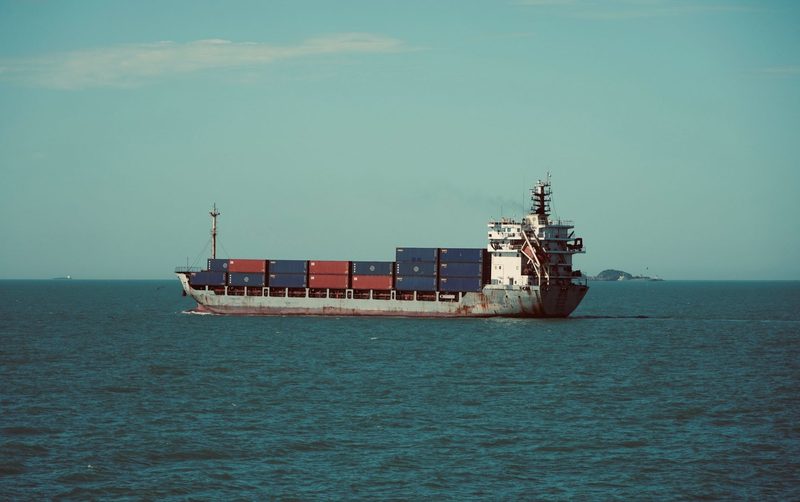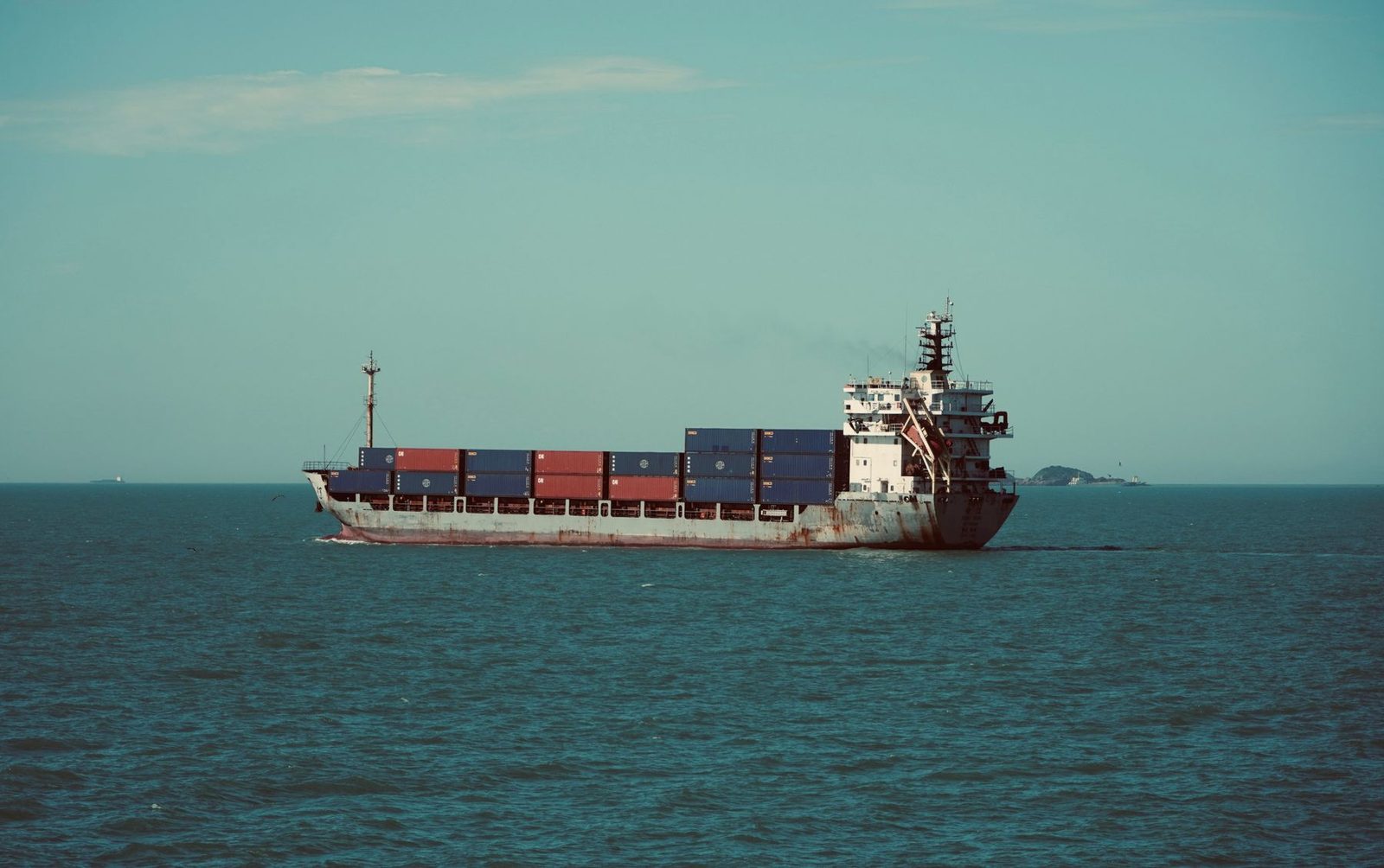
FOB (Free On Board) and CIF (Cost, Insurance and Freight) are the two most common Incoterms (International Commercial Terms) for goods that travel by sea. On FOB terms you arrange and pay for the ocean freight and the insurance. On CIF terms the seller arranges both and includes them in one price. Which one costs you less depends on the freight rate each side can get, the insurance cover you need, and how much control you want over the shipment.
A CIF quote gives you one number to the destination port. It is a good deal when the freight inside it is fair, so ask for freight and insurance as separate lines and compare them with a forwarder’s quote. If you already work with a forwarder who gets good rates, FOB can cost less. If you do not, CIF, or a term that runs on to your door, is often the simpler way to ship.
What changes between FOB and CIF under Incoterms 2020?
Think of an Incoterm as a line drawn on the route. FOB draws the line when the goods are loaded on board the ship at the port of origin. CIF draws the same line for risk, because risk still passes to you when the goods are on board at origin, but the seller also pays for the carriage to the destination port and buys a minimum insurance policy for your goods on the way.
On FOB terms the seller pays for everything up to the ship: the haul from the factory to the port, export clearance and loading. On CIF terms the seller also books and pays the ocean freight and the insurance, and adds them to your invoice. On both terms the transit risk is yours from the moment the goods are on board. Incoterms 2020 is clear on this, even when the seller arranges the freight.
So the real question is who picks the insurer and pays the premium. On CIF terms the seller buys a basic policy, usually Institute Cargo Clauses (C), and gives you the certificate. On FOB terms you buy the cover you choose, from all risks to named perils, and the premium sits in your own freight budget.
You may hear that CIF means “door to port” or that FOB means “the buyer arranges everything”. Neither is quite right. On both terms you handle import clearance, duties and delivery from the destination port. The difference is who books the ocean freight and who pays for it.
Who carries the risk at sea?
Say you buy a container of brake drums on CIF terms and the ship meets heavy weather. If containers are lost, the loss falls on you, and you claim it under the policy the seller bought, which you did not choose. If that policy is minimum cover, you may not recover the full value of the goods. That catches many first time importers.
On both FOB and CIF terms, risk passes to you when the goods are loaded on board at the port of export. FOB buyers usually know this, because they buy their own insurance. CIF buyers sometimes assume the seller’s insurance covers everything. The Incoterms 2020 default for CIF is Institute Cargo Clauses (C), which covers named perils such as fire, stranding or collision, not theft or fresh water damage.
For valuable or fragile goods on CIF terms, ask the seller to quote all risks cover, or buy a top up policy yourself, and add that cost when you compare the two terms. On FOB terms you choose your cover from the start and can keep it the same on every shipment.
So the cheaper term is not only about the freight rate. It is also about whether the insurance you end up with matches what you could lose.
Does the Incoterm change the duty you pay?
Customs works out your duty on a customs value. Some countries use the FOB value: the goods at the port of export, without the ocean freight and insurance. Others use the CIF value: the goods at the port of import, with the freight and insurance added.
The Incoterm you buy on does not change how your country values the goods. A CIF valuation country adds the freight and insurance to an FOB price, so the duty base is the same whether you bought FOB or CIF. Only the real cost of the freight and insurance changes it. In an FOB valuation country, freight and insurance shown separately on the invoice are left out. So duty is not a reason to pick one term over the other; freight cost, insurance cover and control are.
A worked example. Goods worth 10,000 dollars at the port of export travel with 1,500 dollars of ocean freight and 100 dollars of insurance. In an FOB valuation country the duty base is 10,000 dollars. In a CIF valuation country it is 11,600 dollars. Each base is the same whichever term you bought on. What the term changes is who pays the 1,600 dollars, and at what rate.
One practical point: in an FOB valuation country, customs can only leave out the freight and insurance if the invoice shows them separately. That is one more reason to ask for them as their own lines.
How do you work out the landed cost on each term?
To find the cheaper term, compare two landed costs rather than two quotes. Start with the FOB price. Add your own freight and insurance quotes, then the destination charges, the duty and the delivery to your door. That is your FOB landed cost.
Then take the CIF price, which already includes freight and insurance, and add only what CIF does not cover: destination handling, customs clearance, duty and delivery. That is your CIF landed cost. The two totals are now on the same basis.
An example, with duty left out to keep it simple. A supplier quotes 10,000 dollars FOB at its loading port and 11,500 dollars CIF to your port. Your forwarder quotes 1,300 dollars for the freight, and all risks insurance costs 100 dollars. Your costs from the destination port to your door come to 600 dollars. On FOB terms the total is 12,000 dollars. On CIF terms it is 12,100 dollars, with minimum cover only. FOB wins by 100 dollars, with better cover.
If the seller gets a better freight rate, say 1,000 dollars, it could quote CIF at 11,000 dollars. The CIF total becomes 11,600 dollars and beats FOB by 400. So the answer is never always FOB or always CIF. Work it out with your own numbers, and ask for the freight and insurance as separate lines on a CIF quote so you can check them.
Quick reference: FOB and CIF side by side
| FOB (Free On Board) | CIF (Cost, Insurance and Freight) | |
|---|---|---|
| Delivery point | Goods loaded on board at the port of origin | The same |
| Risk passes to the buyer | When the goods are on board | The same |
| Ocean freight | Buyer books and pays | Seller books and pays |
| Insurance | Buyer buys the cover they choose | Seller buys minimum cover (Clauses C) for the buyer |
| Insured value | Set by the buyer’s policy | At least the invoice value plus ten percent |
| Duty base in an FOB valuation country | FOB value | FOB value, when freight and insurance are shown separately |
| Duty base in a CIF valuation country | FOB value plus freight and insurance, added by customs | CIF value: the same base |
| Delivery from the destination port | Buyer’s cost | Buyer’s cost (CIF ends at the destination port) |
| Control over carrier and routing | With the buyer | With the seller |
| How the price reads | Freight and insurance are your own bills | One price; ask for freight and insurance as separate lines |
Questions
Is CIF always more expensive than FOB?
No. CIF can cost less when the seller gets better container rates than you can. Ask for both terms on the same basis, with freight and insurance as separate lines, and compare the two landed costs.
Does FOB give me more control over when my goods arrive?
Yes. On FOB terms you choose the carrier and the routing, so you can pick sailings and transit times that fit your schedule.
If I buy CIF, do I still need my own cargo insurance?
Often, yes. Under Incoterms 2020 the seller only has to provide minimum cover (Clauses C). If you need all risks cover, including theft or fresh water damage, ask the seller to quote it or buy a top up policy.
How do I know whether my country values imports on FOB or CIF?
Your customs authority publishes its valuation rules. Some countries value imports on FOB, many on CIF. A customs broker or your forwarder can confirm the rule for your destination.
Can I switch from CIF to FOB once my volume grows?
Yes. Many importers start on CIF, or on a term that runs to their door, while they find a forwarder they trust. Once your volume earns good freight rates, FOB can lower your landed cost. Compare both with your own numbers each time.
Tell us what you need and the terms you prefer. We quote FOB, CIF, DAP or DDP, and every quote shows what it includes, with freight, insurance and any duty as their own lines.