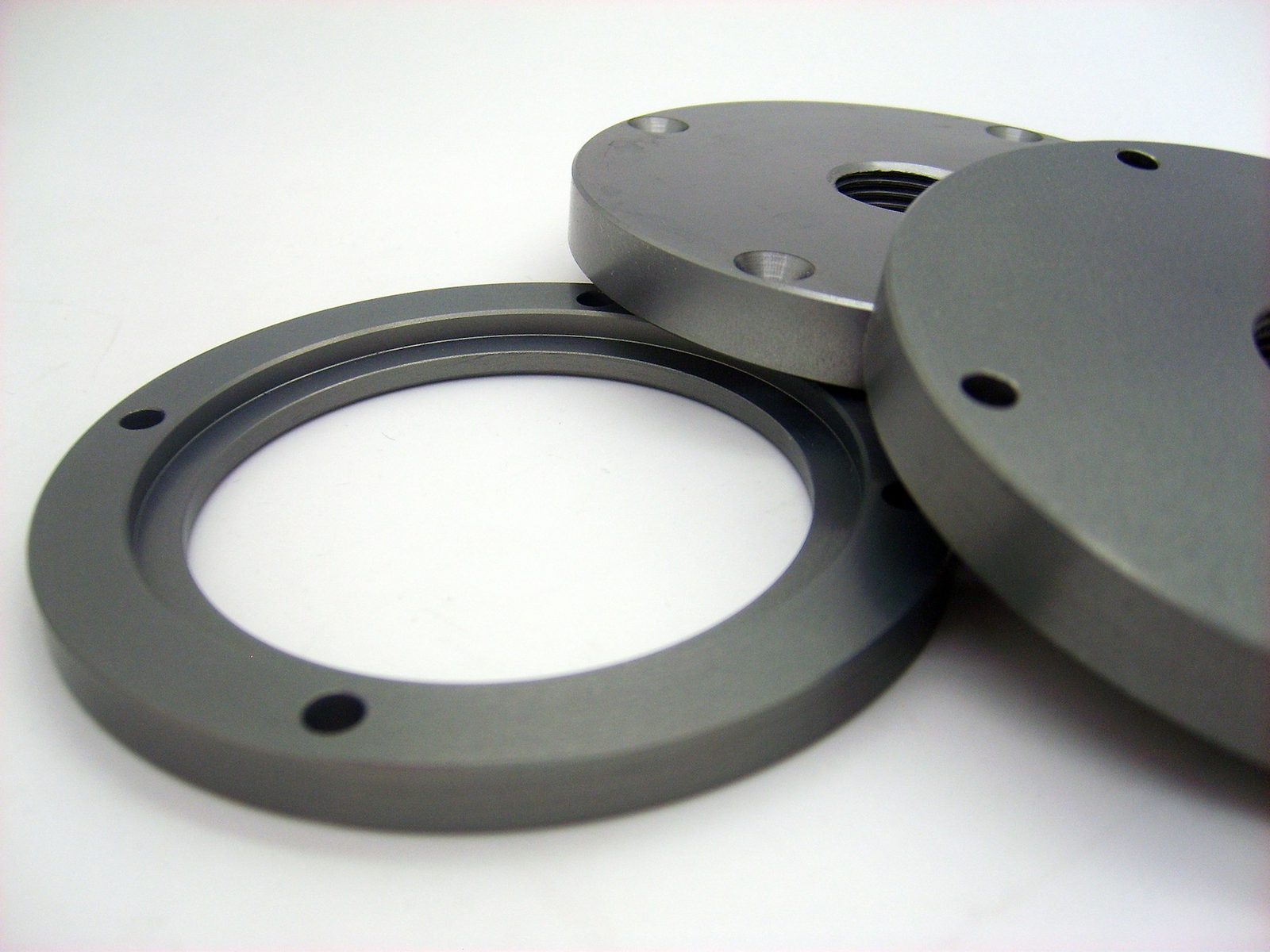
Parts from ISO 9001 and IATF 16949 Certified Manufacturers info@surfing-solutions.com

Forging Process

How forgings are made at the forge shops we work with. A forging is chosen for strength: the grain of the steel follows the shape of the part.

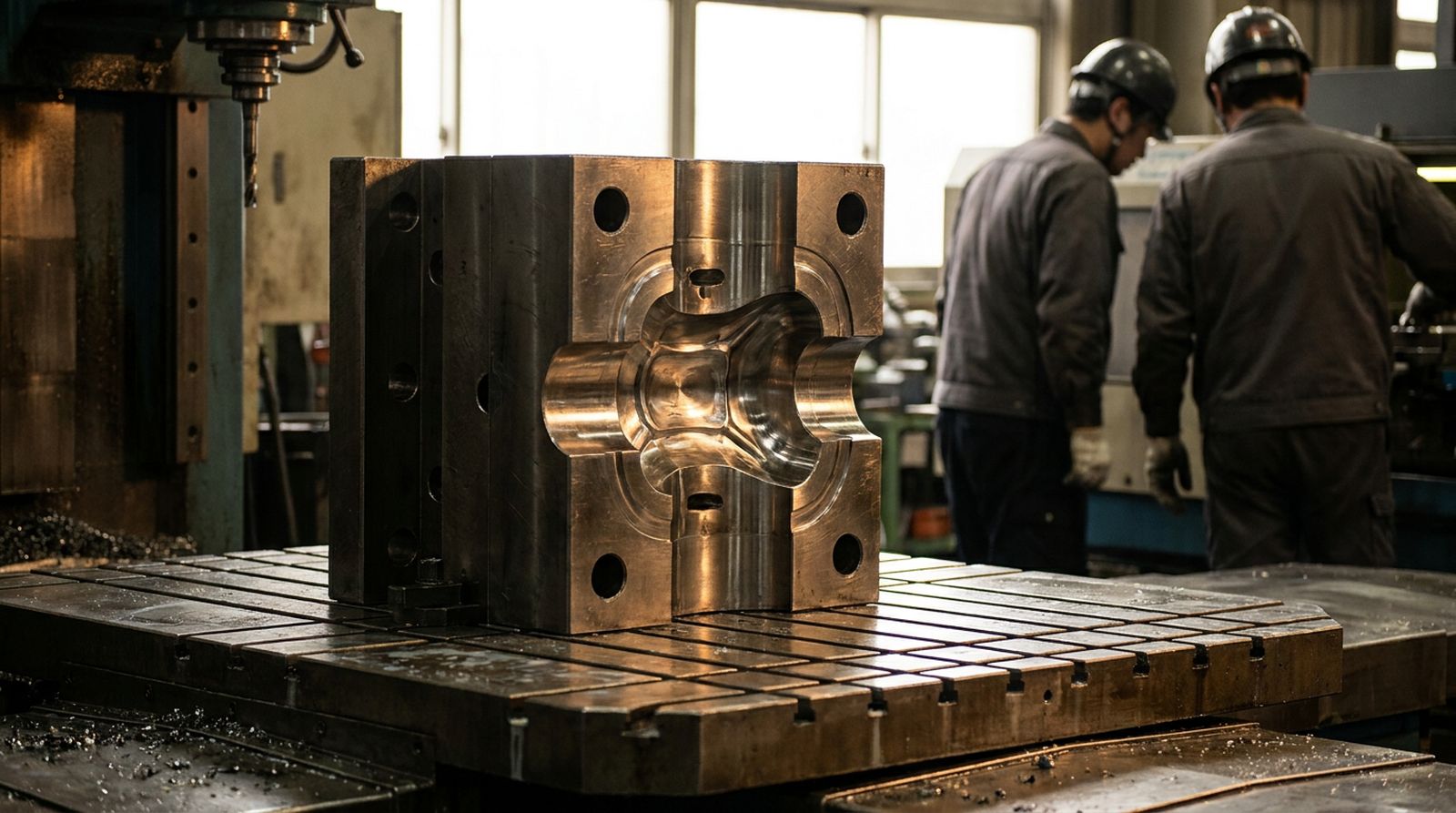
1. Die Design and Making

  • Designed from Your DrawingThe die is drawn around your part, with a slight taper on the walls so the forging lifts out.
  • Stock for MachiningExtra metal is left on every face that will be machined.
  • Room for the FlashA gutter round the cavity takes the metal squeezed out between the dies.
  • Hardened Tool SteelThe dies are machined from tool steel and hardened to take the blows.
  • Who Owns the DieYou do, once it is paid for. We keep it safe at the manufacturer, use it only for your parts, and send it to you or to another manufacturer if you ask.
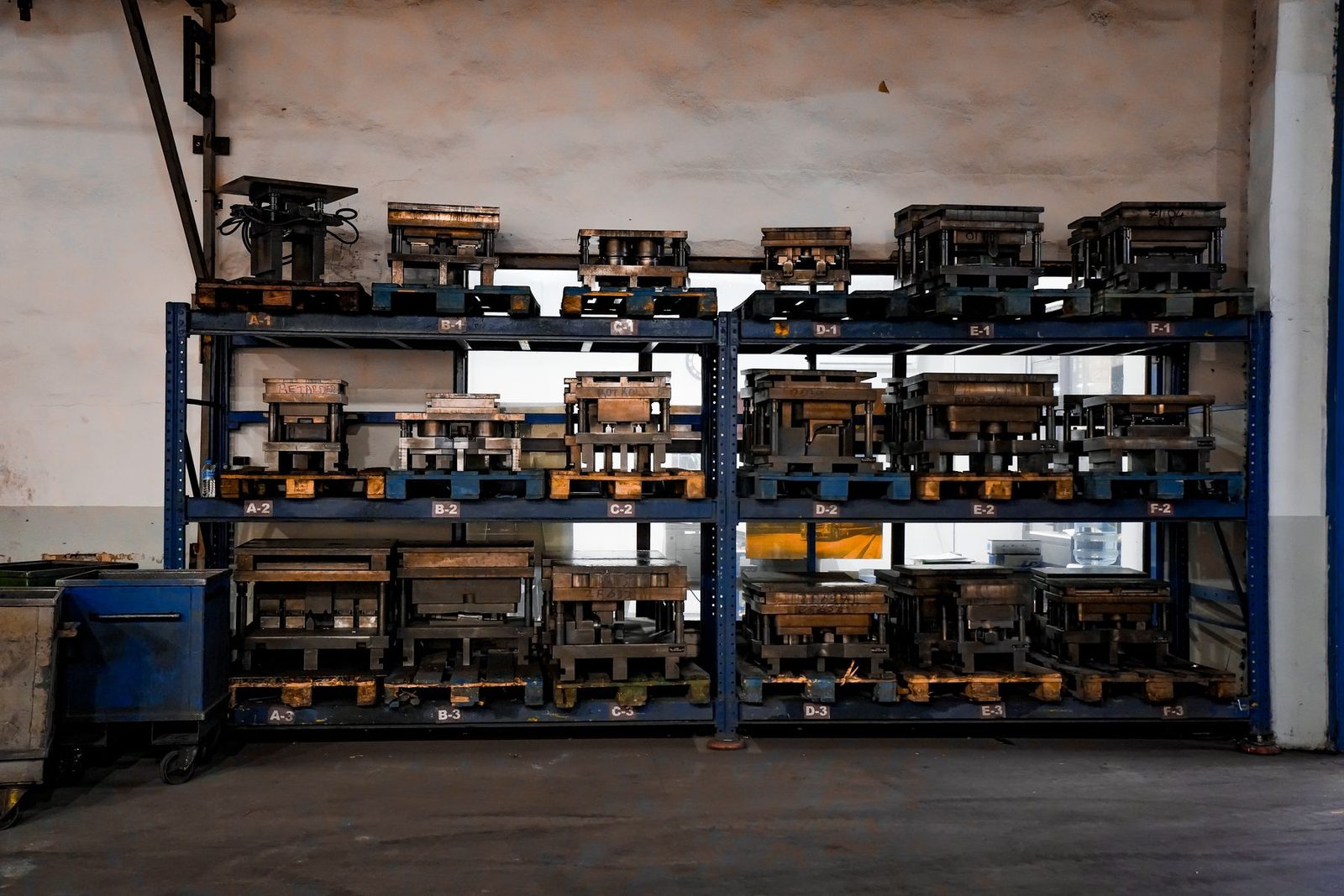
Dies for repeat orders, kept on labelled racks at a manufacturer A forging die block with its machined cavity on a milling machine

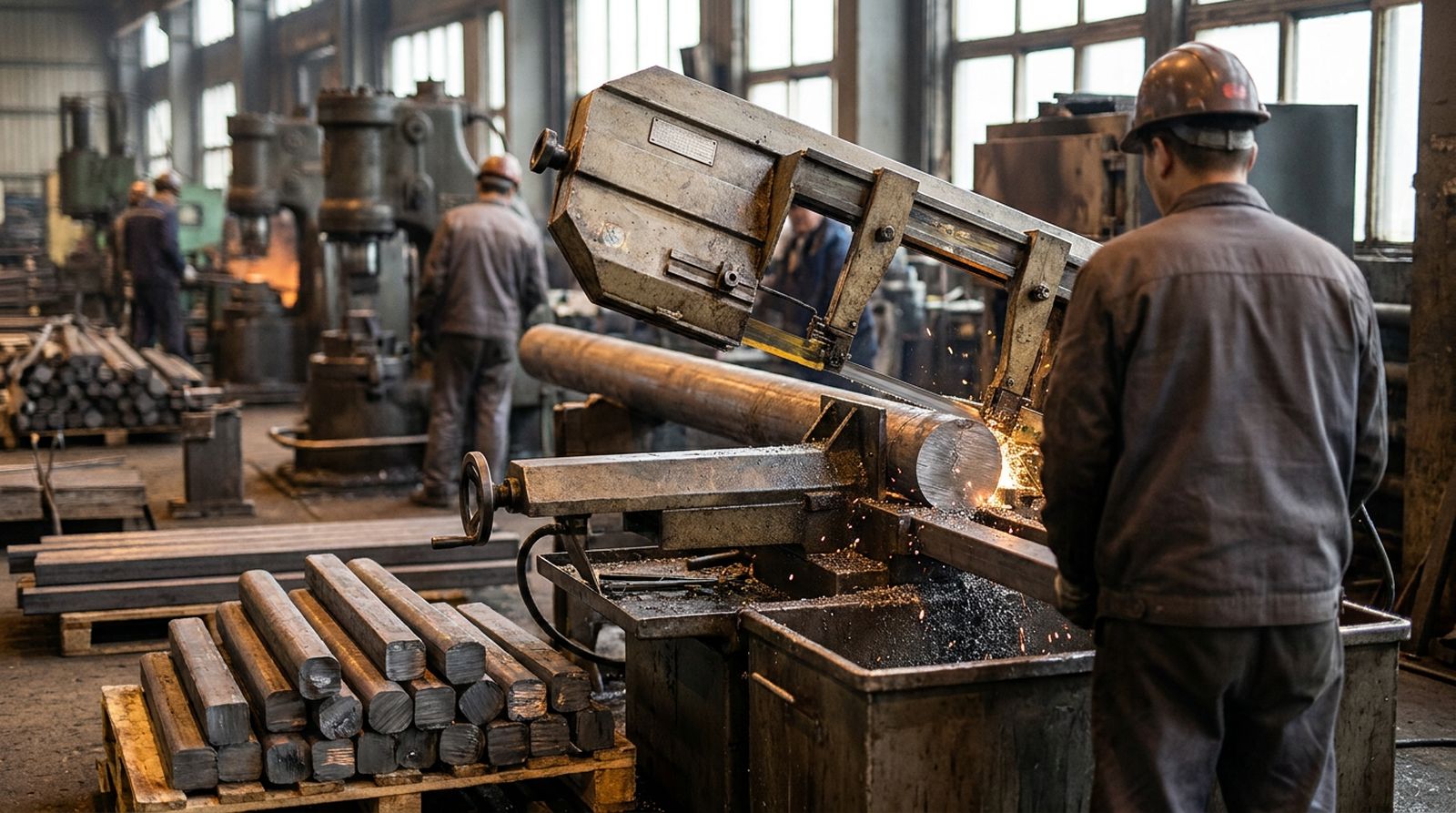
2. Cutting the Bar or Billet

  • Steel with a Mill CertificateEvery bar comes with the steel mill’s certificate for its heat.
  • Cut to WeightThe bar is cut by saw or by shear to the weight each forging needs, so every piece fills the die the same way.
  • Traced by Heat NumberThe heat number follows the cut pieces, so each forging can be traced to its certificate.
  • Check AnalysisA sample of the steel is analysed again to confirm the mill’s figures.
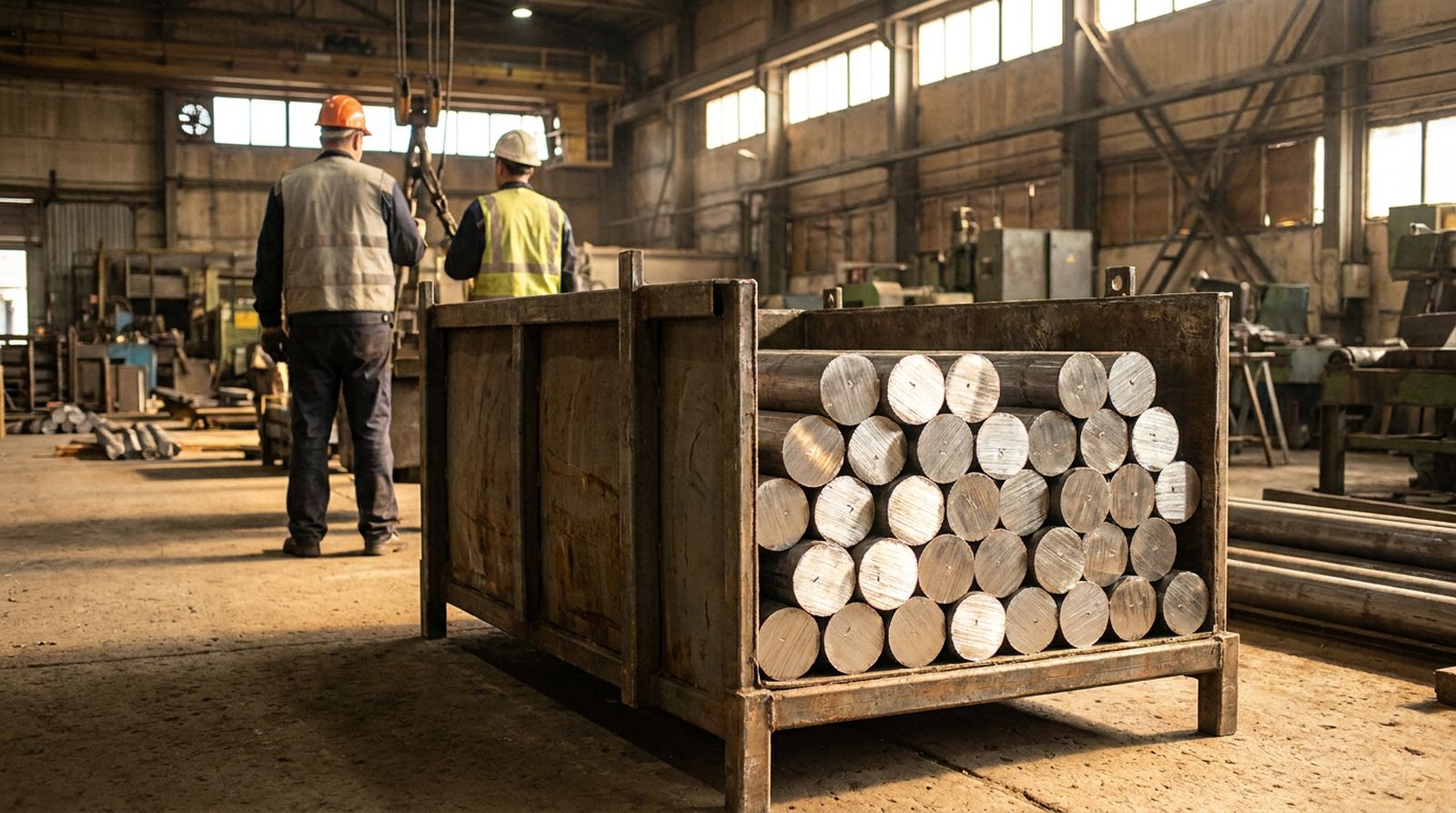
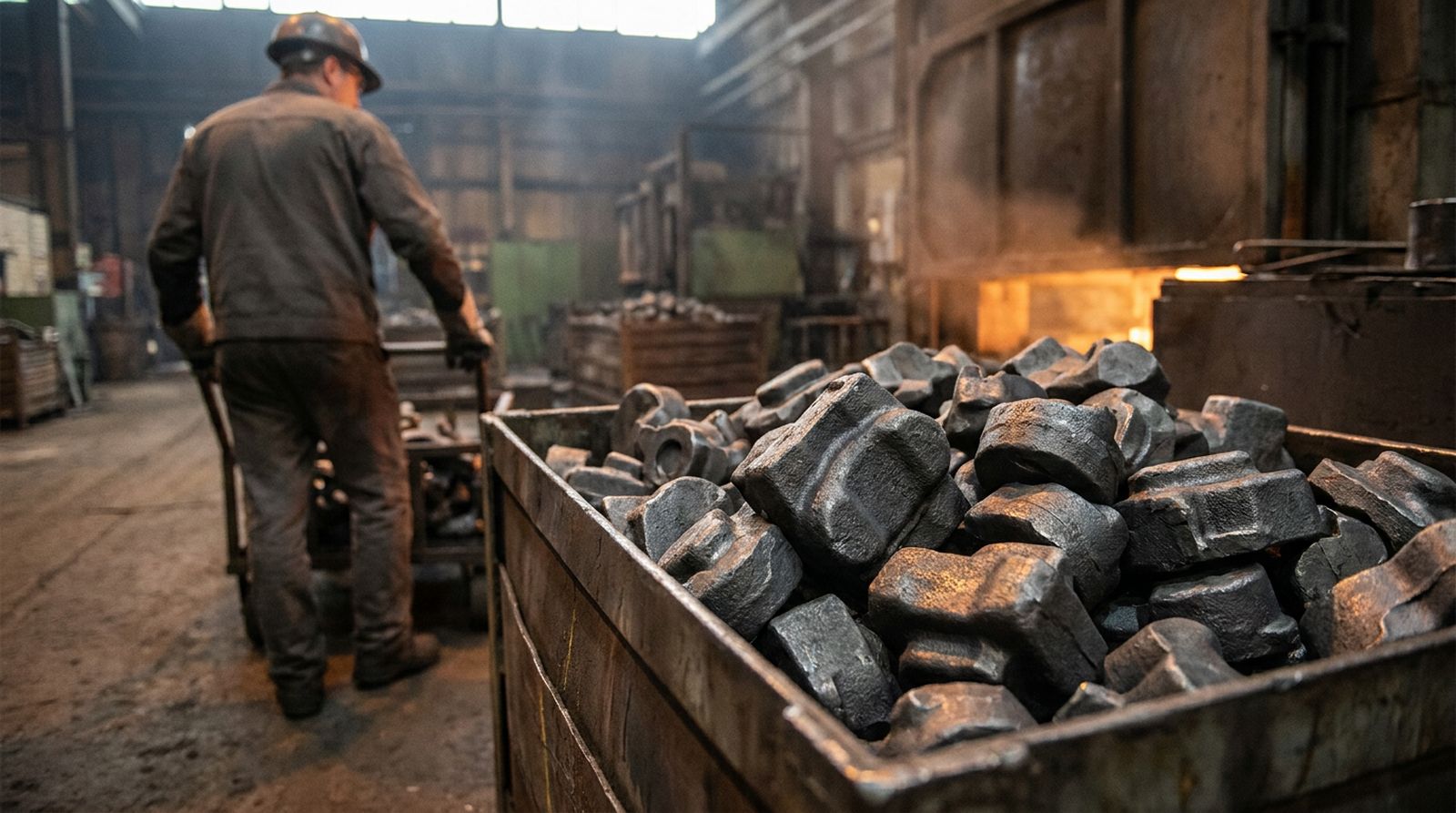
Round steel bars cut into billets on a band saw A bin of freshly cut steel billets

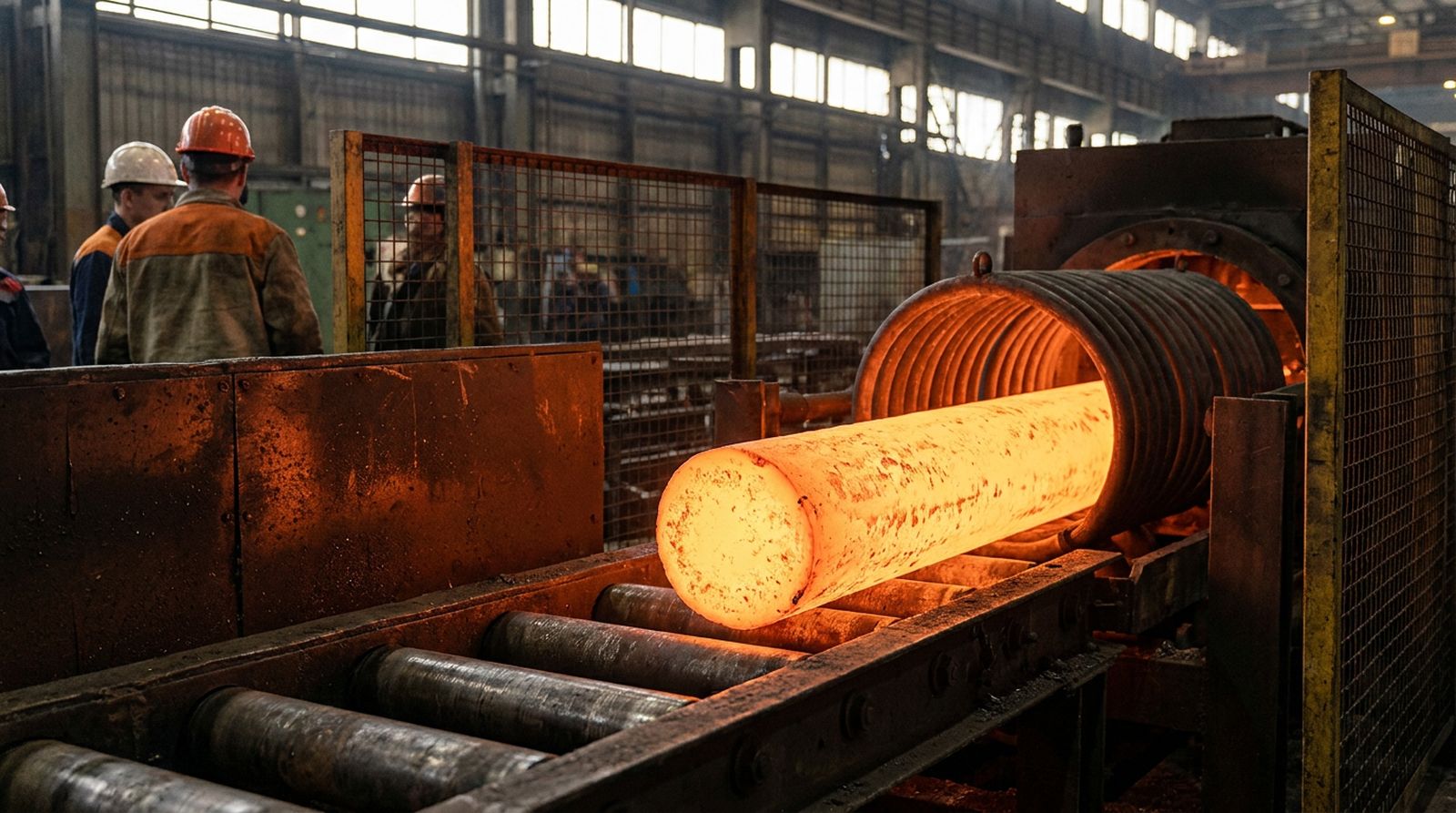
3. Heating

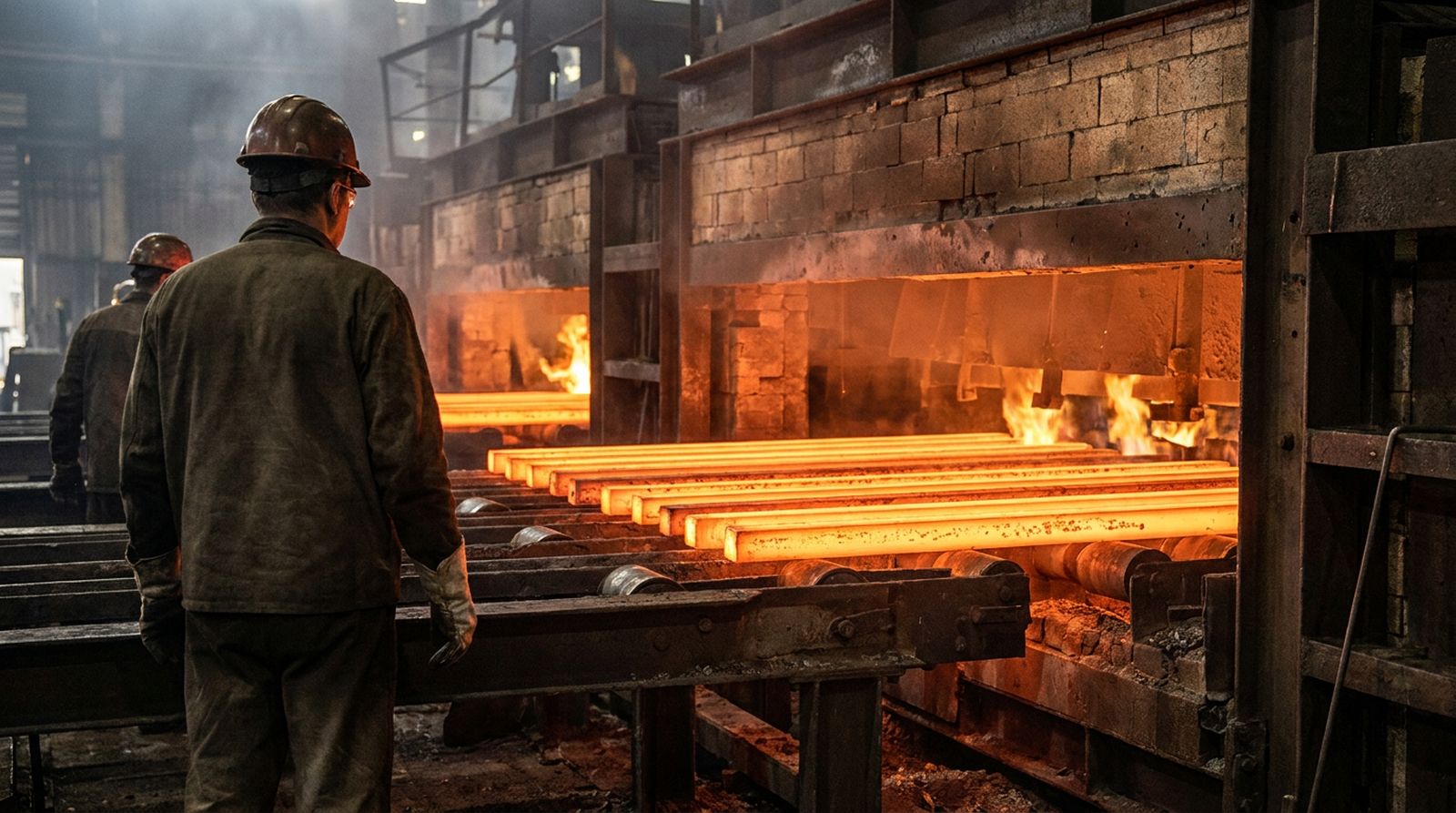
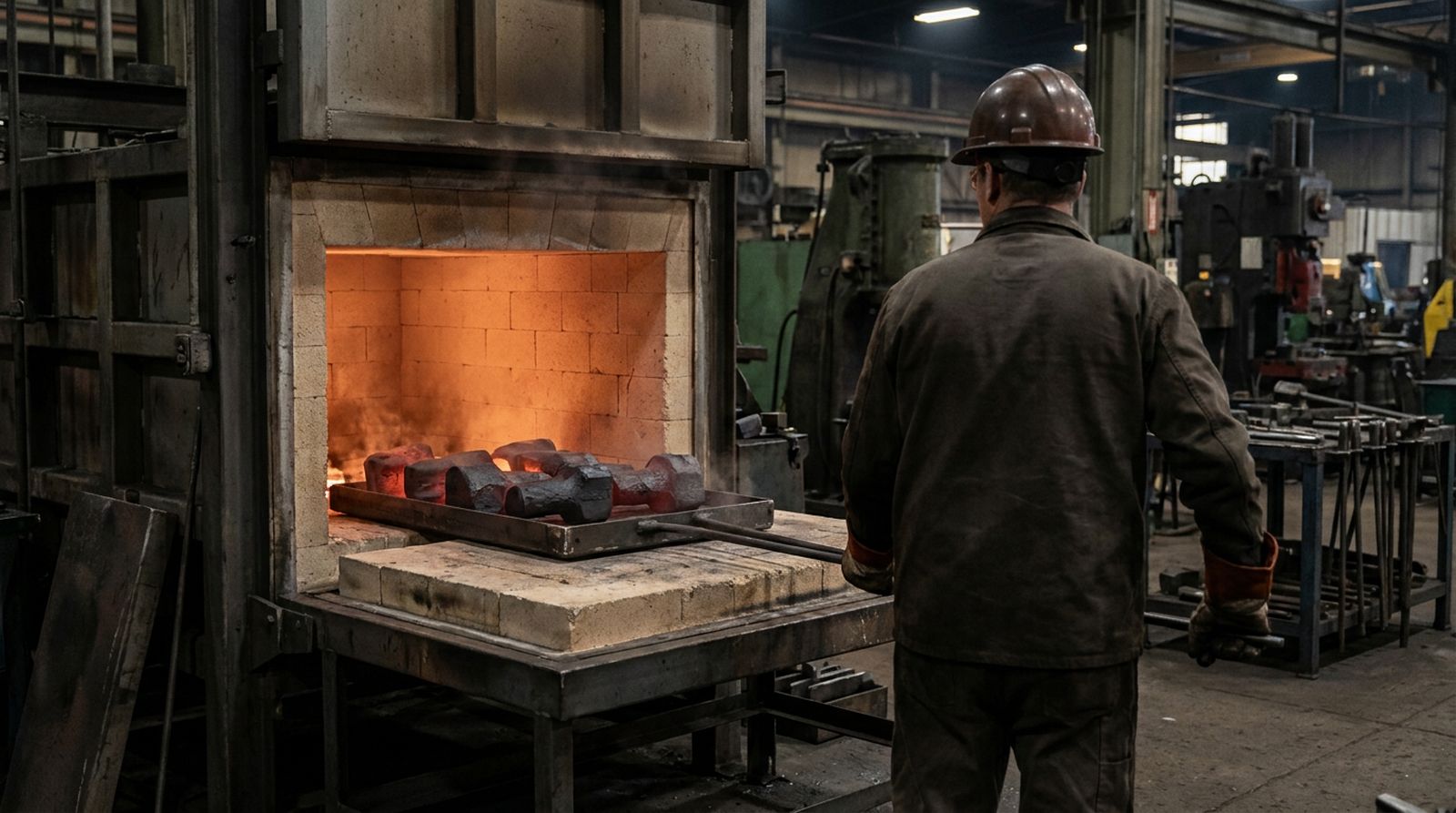
  • Forging TemperatureSteel is heated to about 1,100 to 1,250 °C, depending on the grade.
  • Induction or Gas FurnaceInduction heats each piece fast and evenly, with little scale on the surface.
  • Temperature CheckedEach piece is checked on its way to the hammer or the press.
  • Never Too Cold or Too HotSteel forged too cold can crack, and steel heated too hot grows a coarse, weak grain.
A billet glowing as it leaves an induction heating coil Billets glowing inside a forging furnace

4. Closed Die Forging

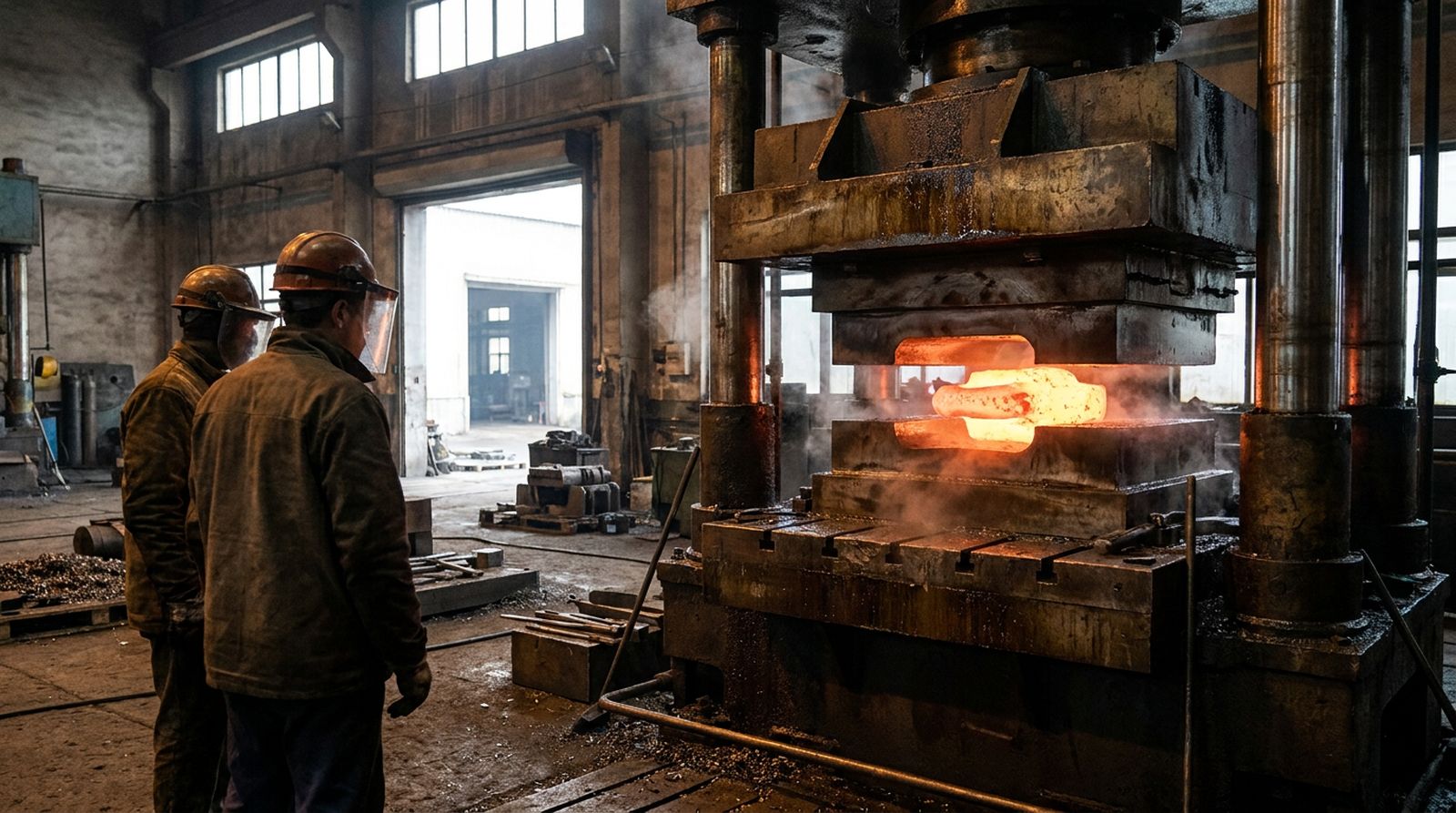
  • Hammer or PressThe hot piece is struck by a hammer or squeezed by a press between the two dies.
  • Step by StepTwo or three impressions often bring it closer to the final shape each time.
  • FlashThe extra metal squeezes out round the parting line as flash.
  • Grain FlowThe grain follows the shape of the part, so a forging is stronger than the same part cut from bar.
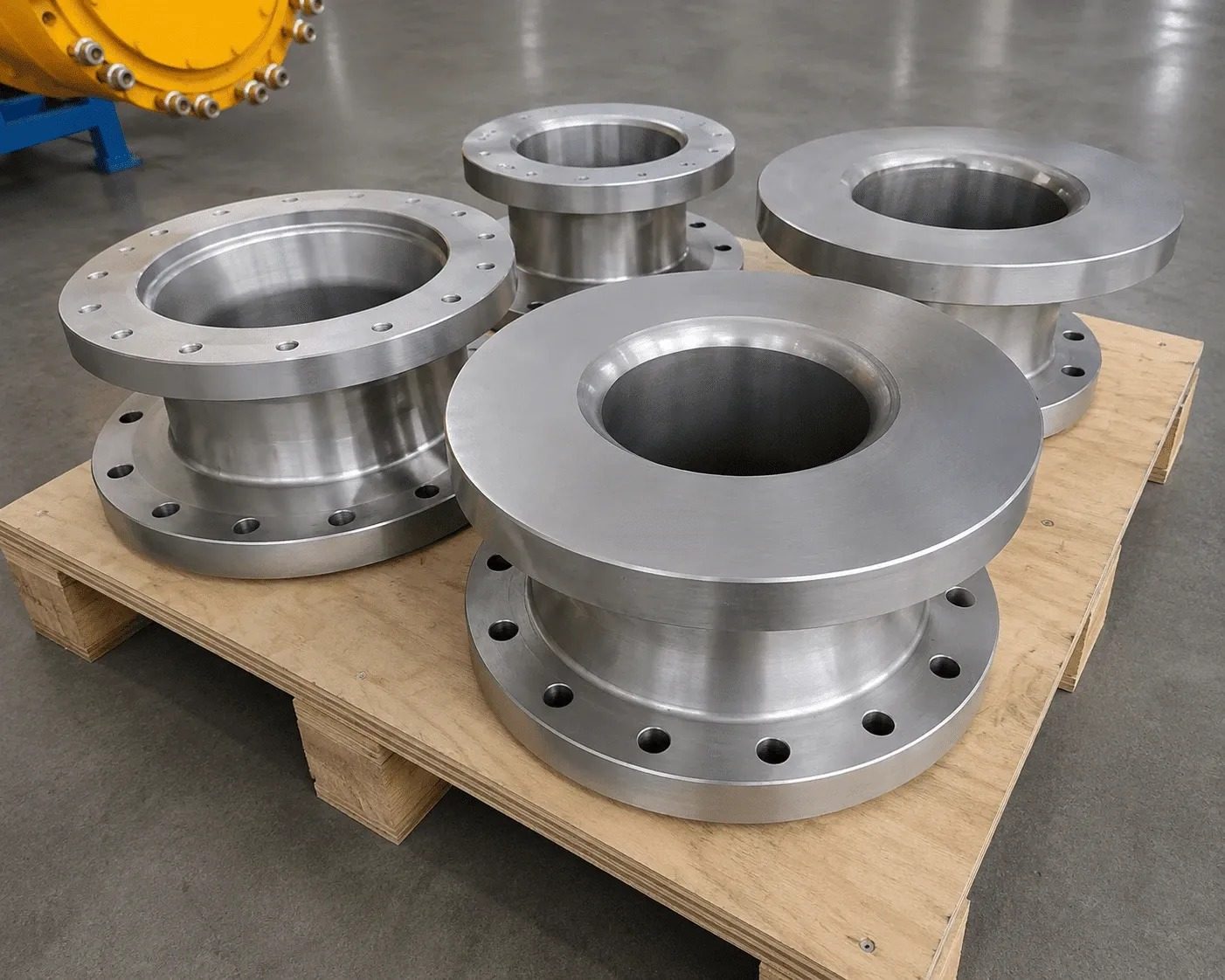
  • Typical PartsCrankshafts, connecting rods, gear blanks, flanges and steering knuckles.
Machined flanged hubs on a pallet A hot part between the dies of a closed die forging press

5. Open Die Forging

  • Flat DiesThe metal is worked between flat or simple dies that do not enclose it.
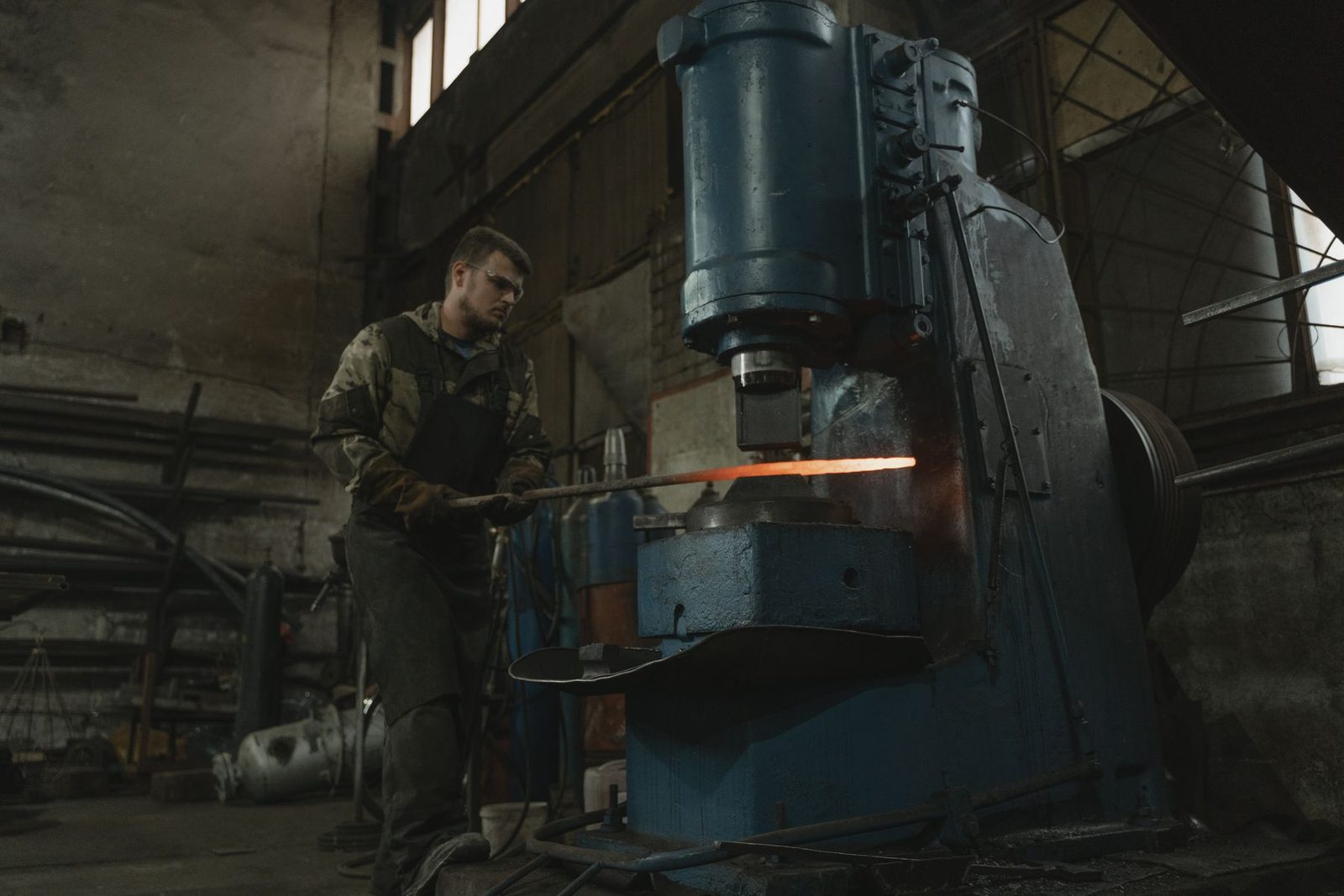
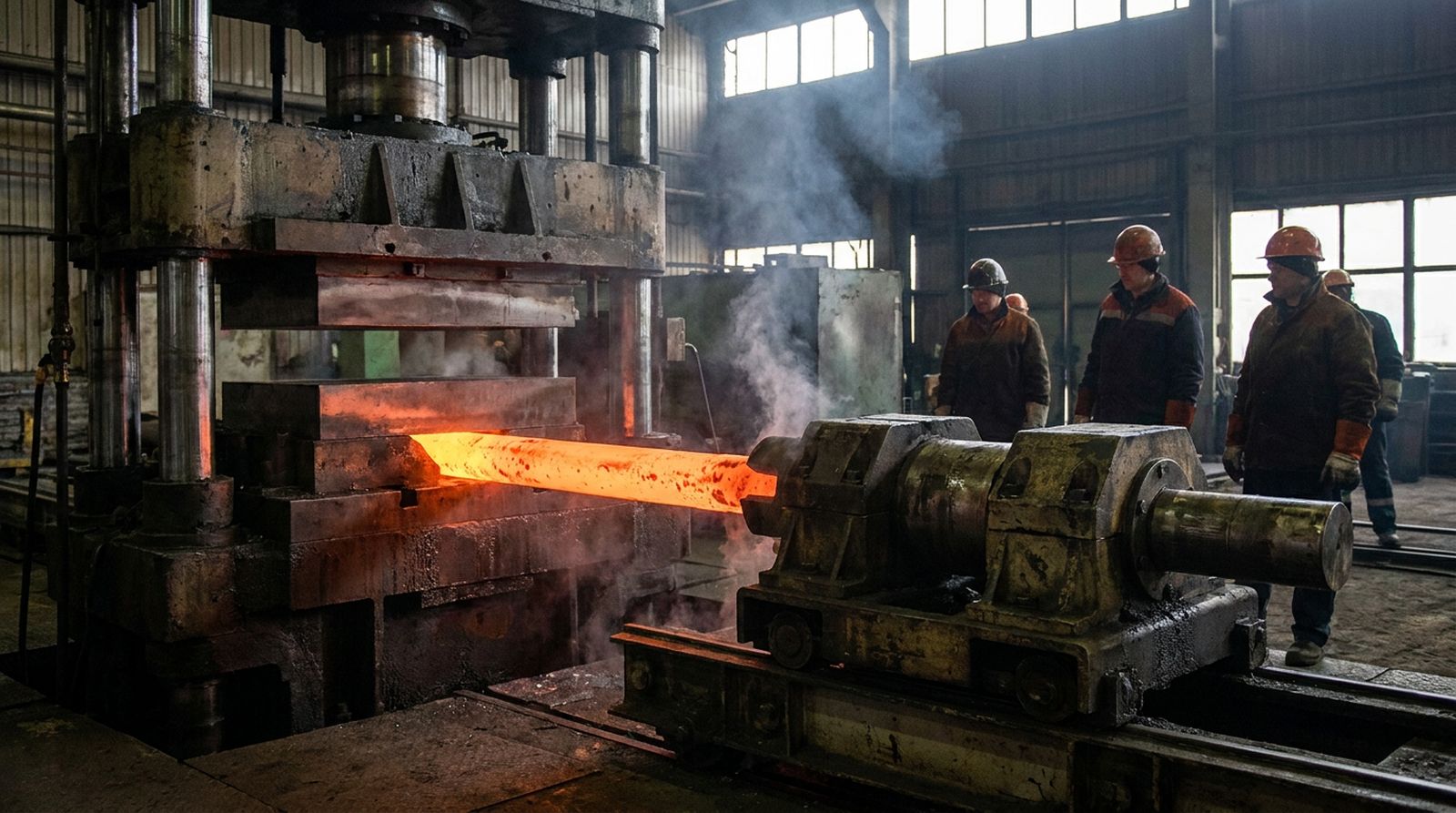
  • Drawn, Upset and SteppedThe piece is turned and moved between blows to lengthen it, to shorten and widen it, or to step it down.
  • No Shaped Die NeededIt suits large parts and short runs.
  • Typical PartsShafts, discs, blocks, sleeves and rolls, forged with stock left for machining.
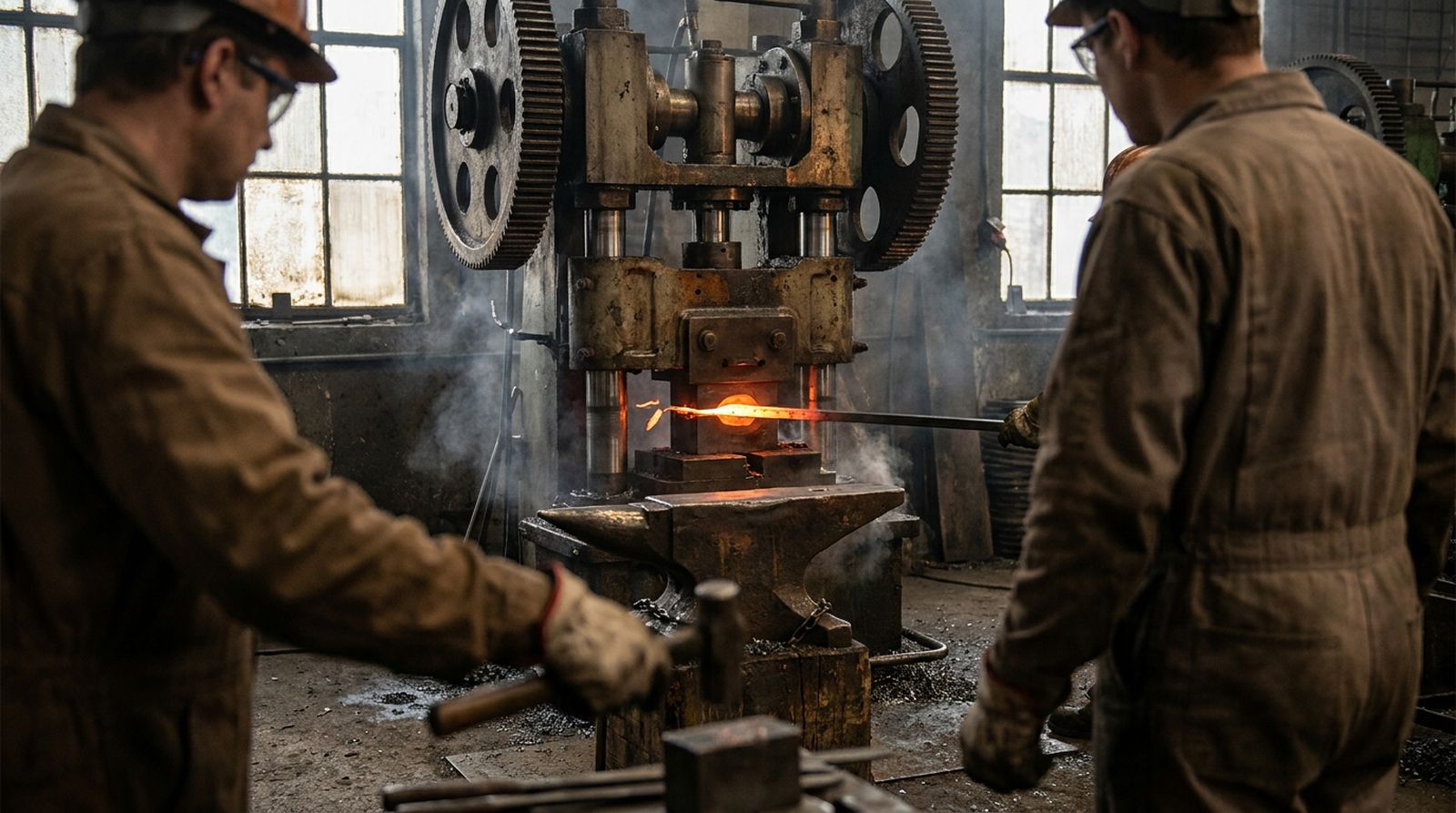
A smith working a glowing bar under a power hammer A glowing shaft held by a manipulator under an open die press

6. Ring Rolling

  • Upset and PiercedA round piece is upset, then pierced to open a hole in the middle.
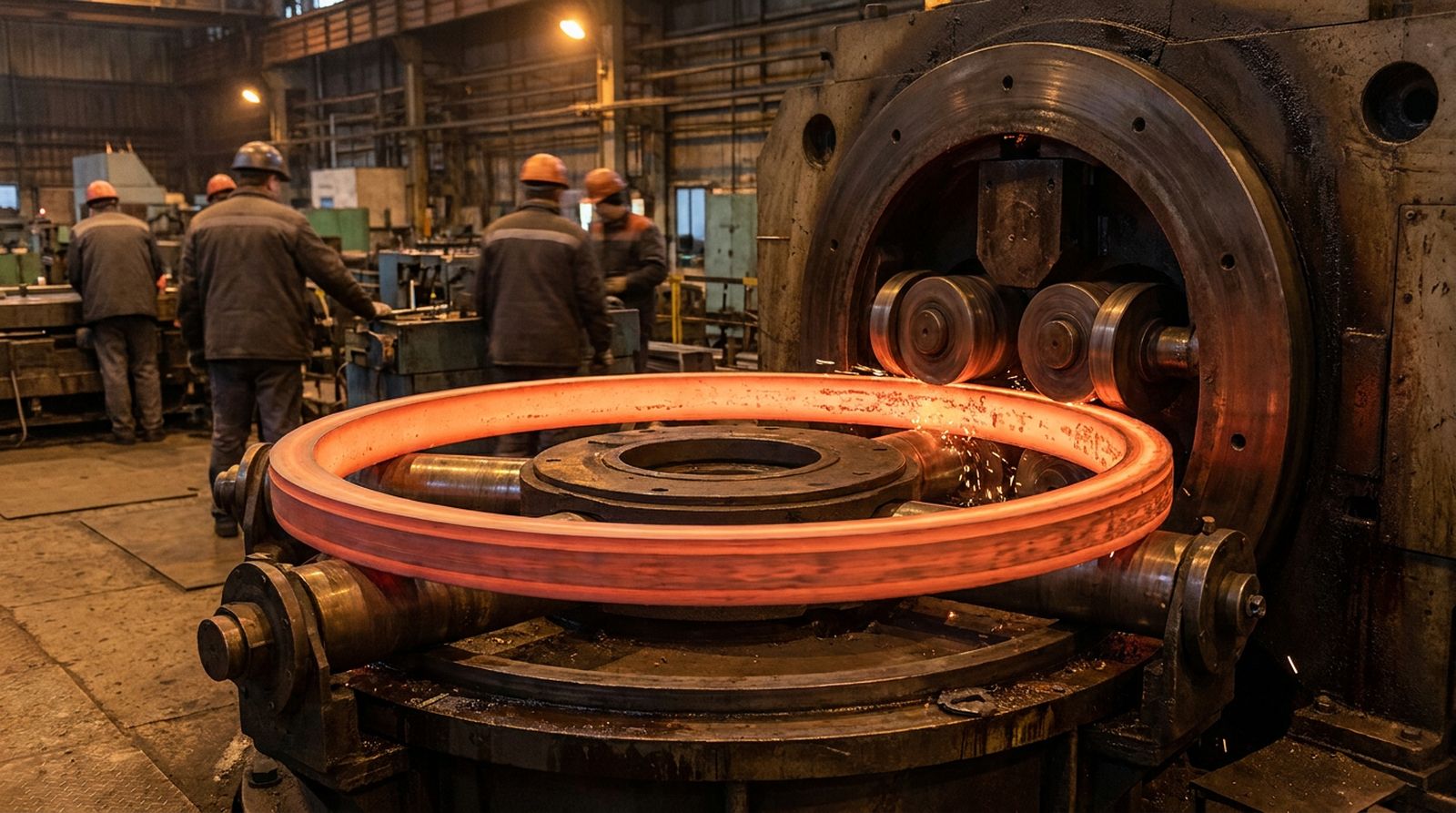
  • Rolled to SizeOn the ring rolling mill the wall is squeezed thinner and the ring grows in diameter until it reaches your size.
  • One Piece, No WeldThe ring has no joint anywhere, and the grain runs round it.
  • Typical PartsBearing rings, gear ring blanks, and rings for flanges and slewing bearings.
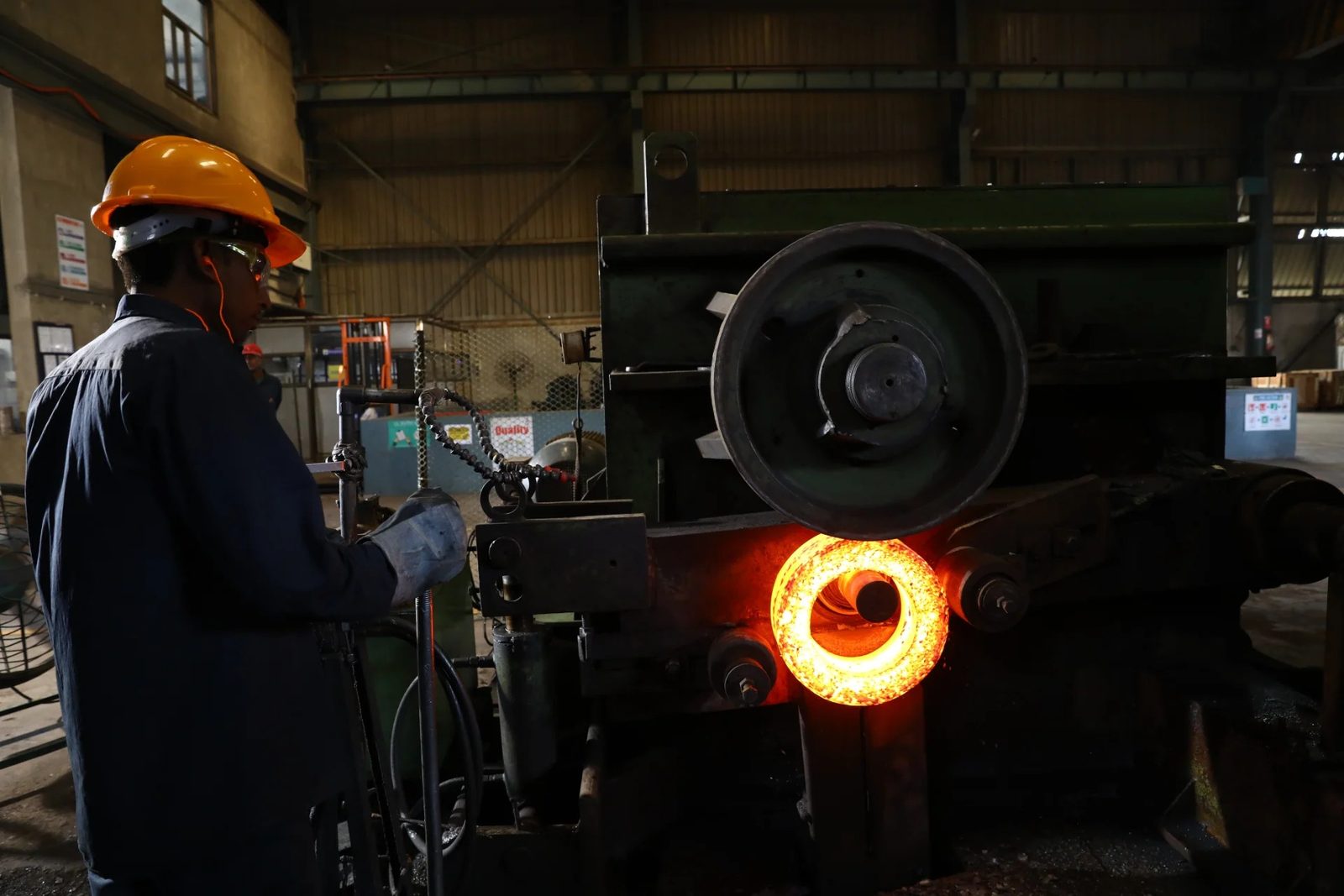
A red hot ring on a machine at a forge shop A glowing steel ring turning on a ring rolling mill

7. Trimming and Piercing

  • Trimmed While HotStraight after forging, a trimming press cuts the flash off round the parting line.
  • PiercedA punch removes the thin web of metal left in any hole.
  • CoinedSome parts are pressed once more to bring a face or a thickness closer to size.
  • RecycledThe flash is sold as scrap and melted again.
A trimming press cutting the flash off a hot forging Trimmed forgings in a steel bin

8. Heat Treatment

  • NormalisingHeated and cooled in air, for an even, fine grain in carbon steel parts.
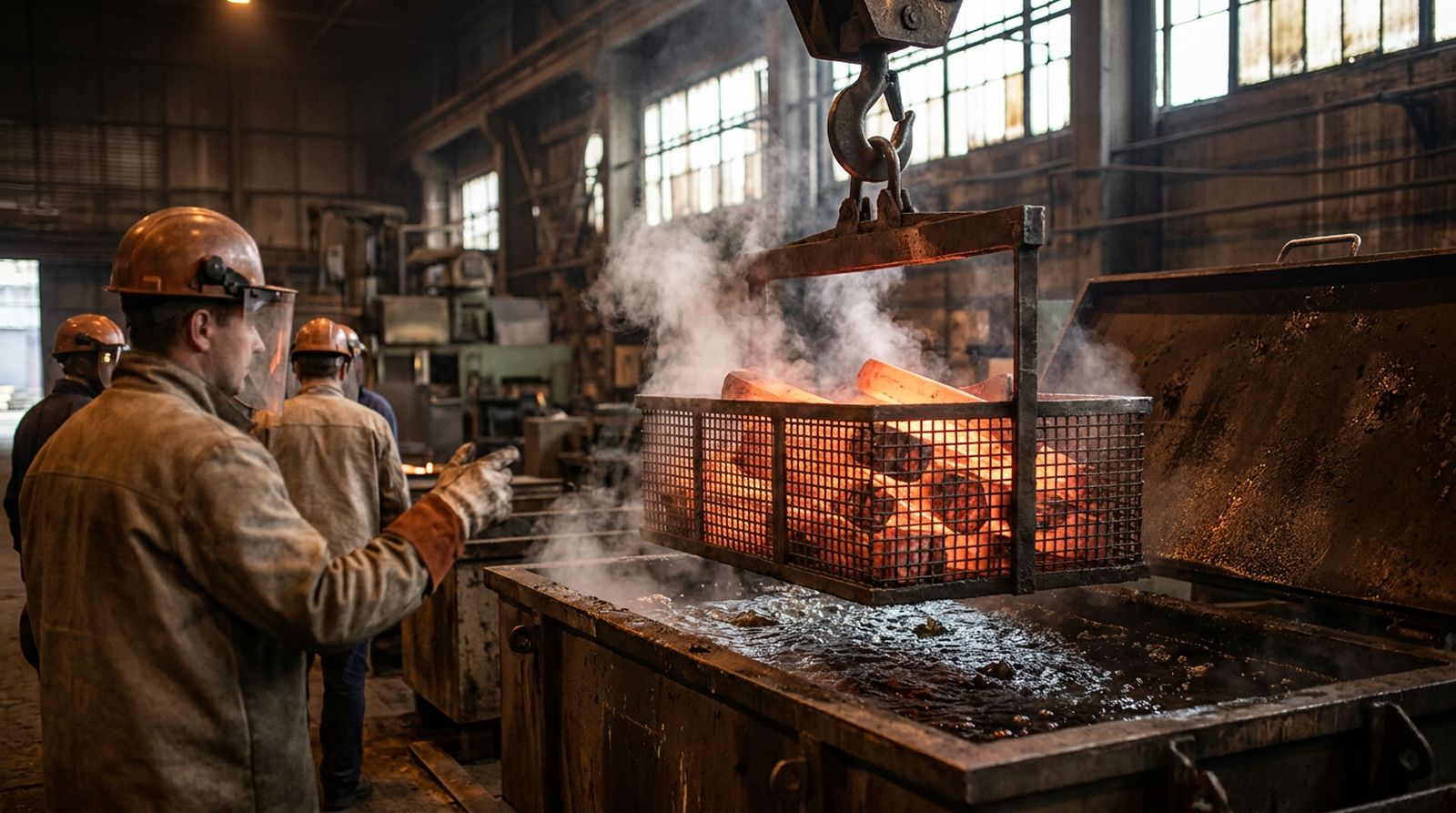
  • Quench and TemperHardened in water, polymer or oil, then tempered, for strength and toughness in alloy steel parts.
  • Case HardeningA hard, wear resistant skin on a tough core, for gears, pins and king pins.
  • AnnealingSoftened for easier machining.
  • Recorded and CheckedEach batch runs to a written cycle, and hardness is checked after it.
Hot forgings lowered into a quench tank, steam rising Forgings glowing in a heat treatment furnace

9. Machining

  • CNC Turning and MillingForgings are turned, bored, drilled and milled to the sizes on your drawing.
  • Threads, Grinding and HardeningThreads cut, faces ground and bearing areas induction hardened where the drawing asks for it.
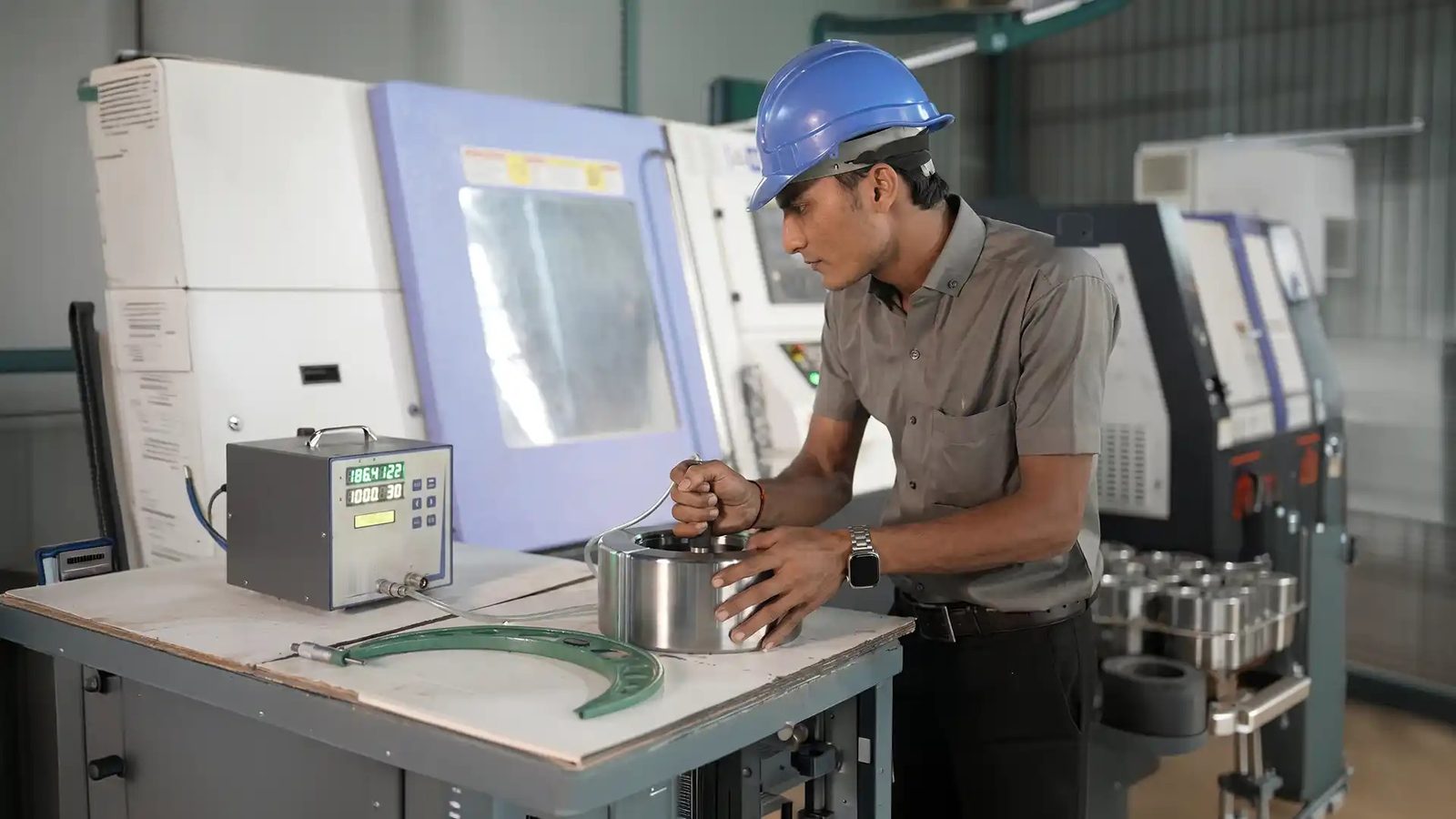
  • MeasuredMachined parts are measured against the drawing, with a CMM report when you want one.
  • Rust ProtectionMachined faces are oiled and wrapped for the voyage.
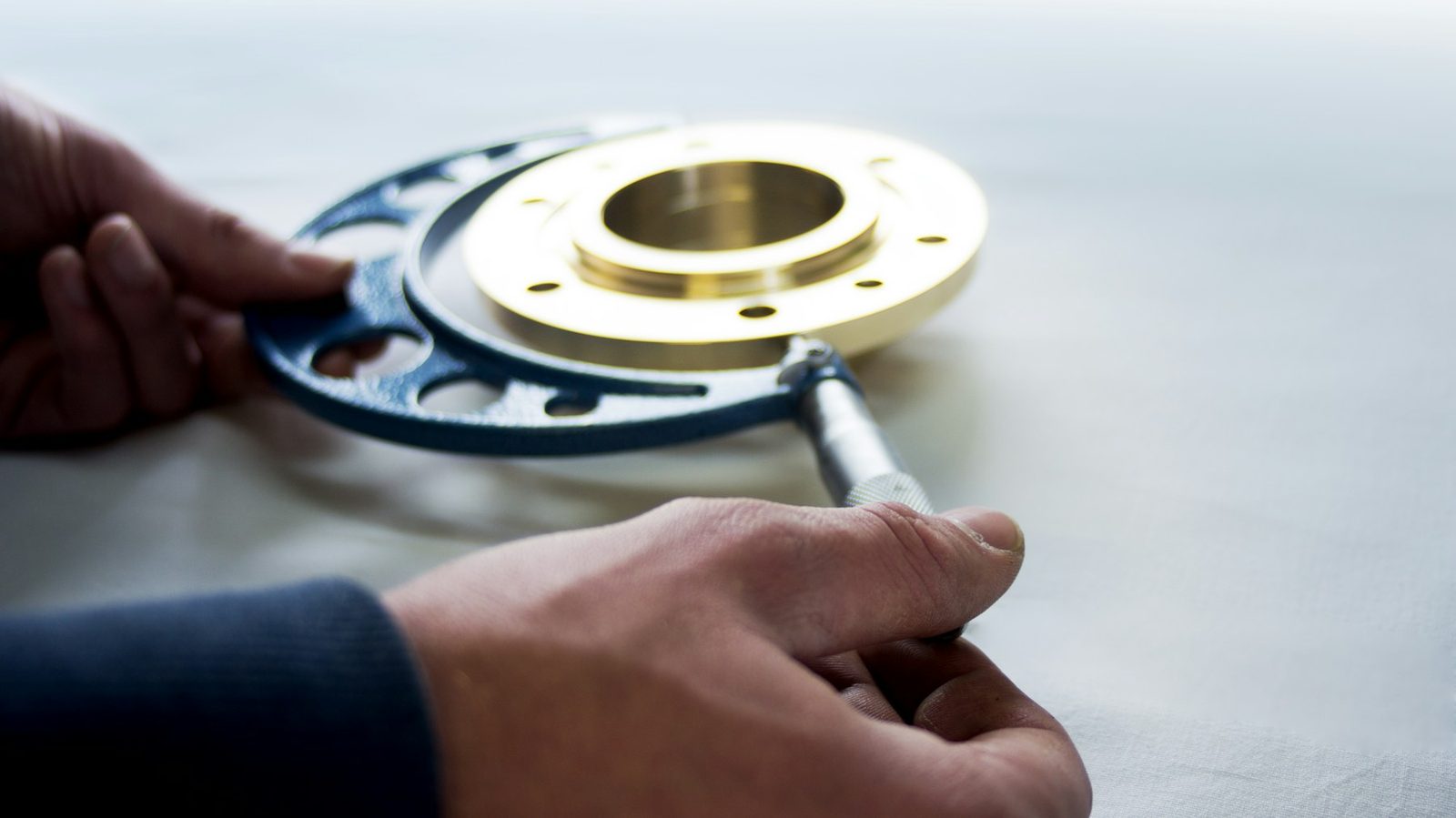
An operator measuring a machined ring beside CNC lathes Machined steel flanges

10. Testing and Inspection

  • HardnessChecked on every batch after heat treatment.
  • DimensionsForged and machined sizes measured against your drawing.
  • VisualEvery piece looked over for laps, folds and cracks.
  • Ultrasonic TestingSound sent through the metal finds flaws inside it, every piece for critical parts.
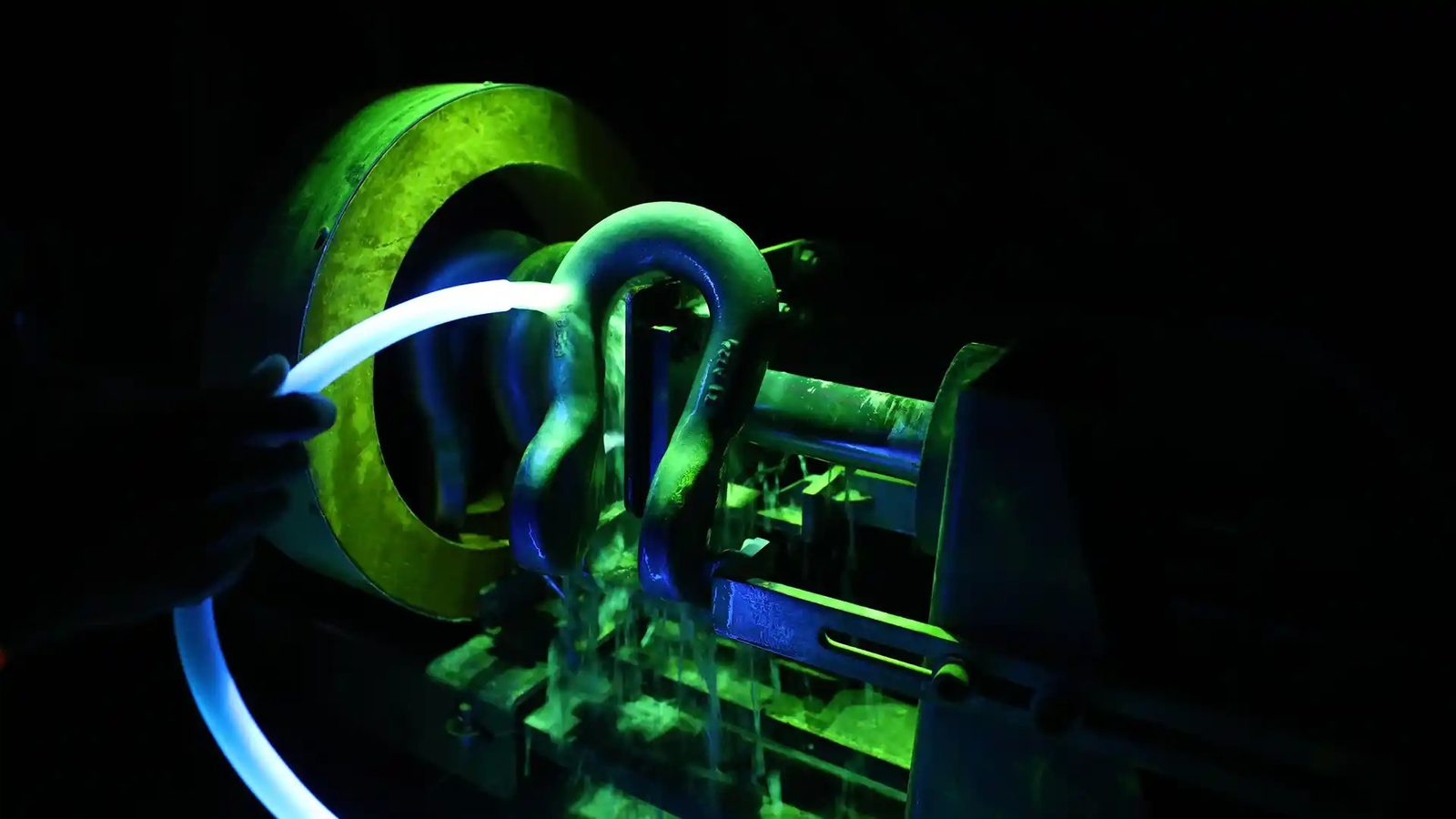
  • Magnetic Particle InspectionThe part is magnetised and wet with a fluorescent magnetic ink, which gathers along cracks at or near the surface and glows under ultraviolet light.
  • Tensile and Impact TestsDone on the same heat when your drawing asks for them. The full list is on the Quality page.
A forged shackle under magnetic particle inspection, glowing under ultraviolet light A machined flange measured across its face with a micrometer
Reply TimeWe reply by email within one working day.