Parts from ISO 9001 and IATF 16949 Certified Manufacturers info@surfing-solutions.com

Casting Process

How castings are made at the foundries we work with. The process follows the part: its weight, its walls, its grade and how many you need.

1. Pattern and Core Making

Every casting starts with a pattern, a copy of the part made a little larger, because metal shrinks as it cools.

  • Wood or resin patterns for short runs, metal patterns for long ones
  • Extra stock left on every face that will be machined
  • Cores of bonded sand to form the hollows, as in pump bodies and manifolds

Who owns the pattern? You do, once it is paid for. We keep it safe at the manufacturer, use it only for your parts, and send it to you or to another manufacturer if you ask.
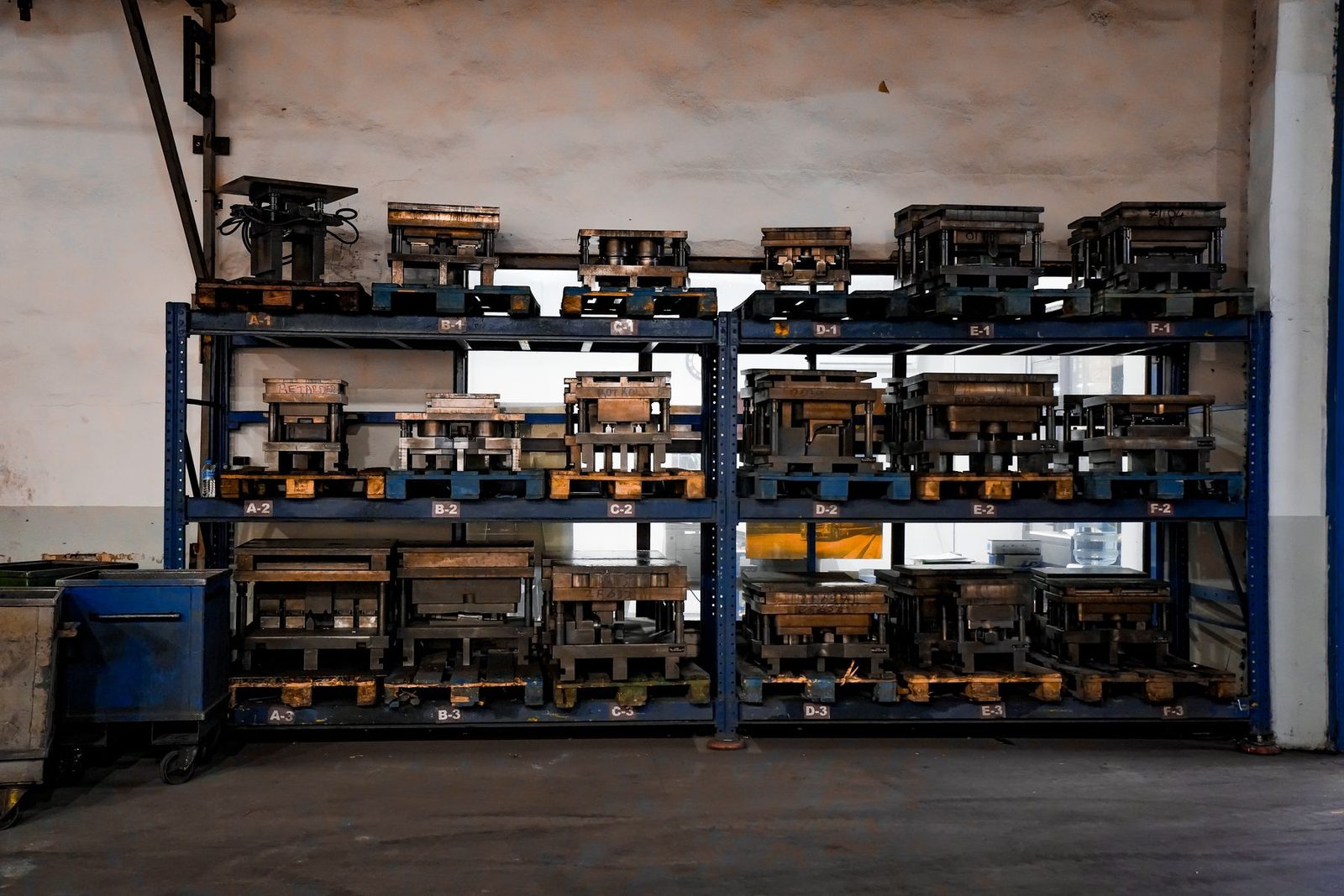
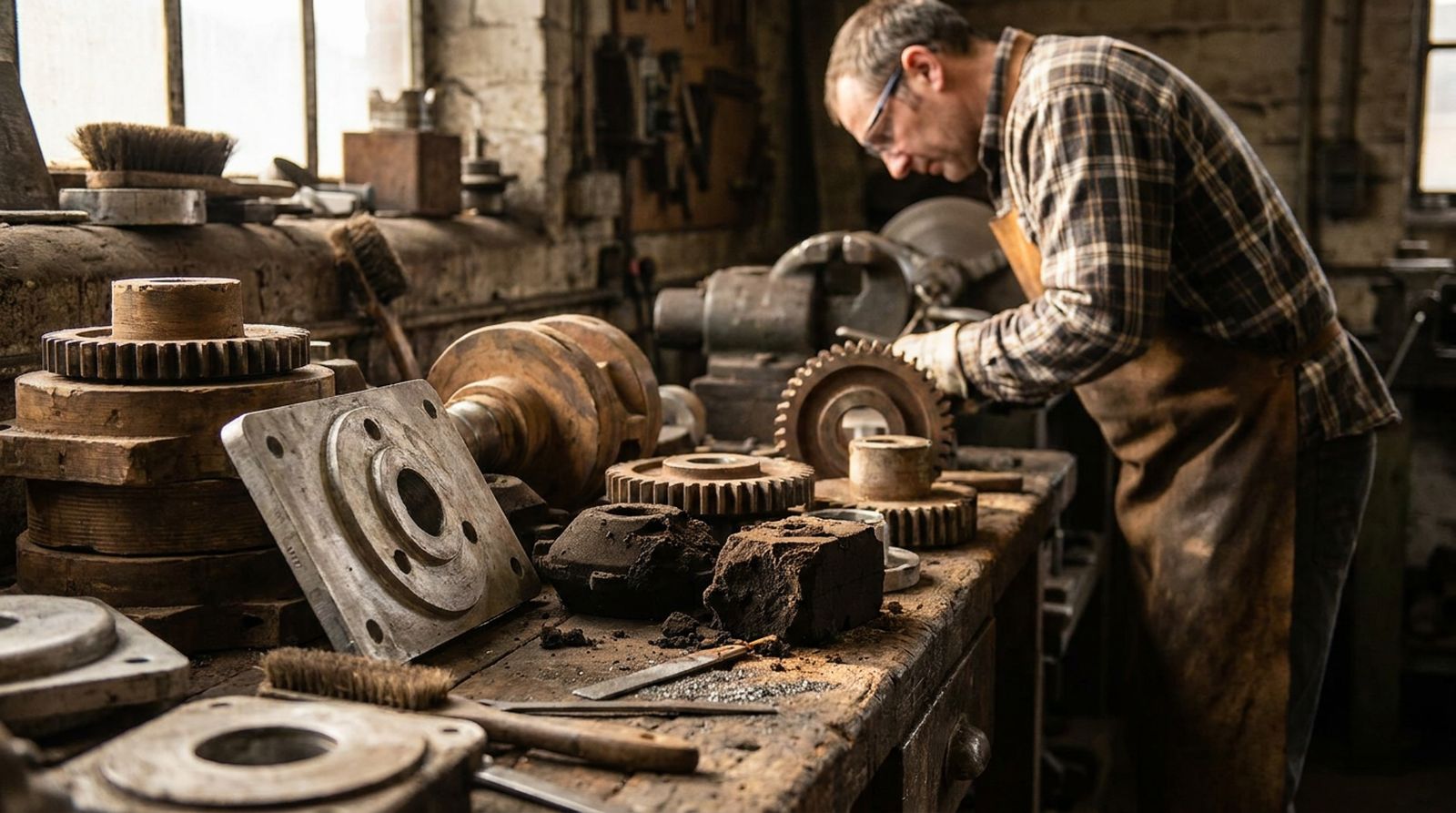
Moulds and patterns kept on labelled racks at a manufacturer Foundry patterns and sand cores on a pattern shop bench

2. Green Sand Moulding

Green sand is silica sand bonded with clay and a little water. Green means the mould is never baked: it is poured while the sand is still damp.

  • Sand packed around the pattern in two boxes, the cope above and the drag below
  • The pattern drawn out, the cores set in place and the boxes closed
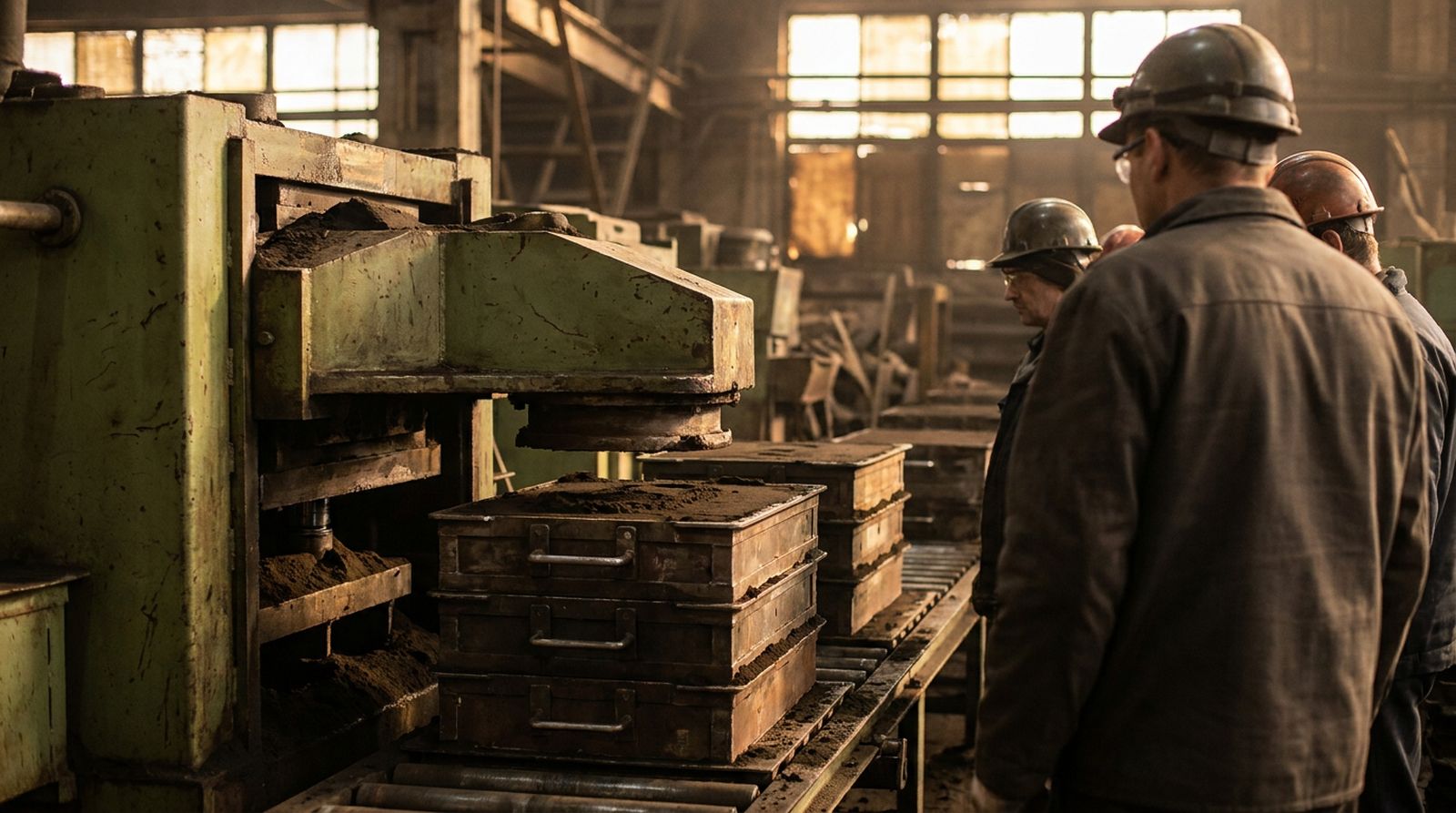
  • Moulding lines make moulds fast and alike, for grey and ductile iron in volume
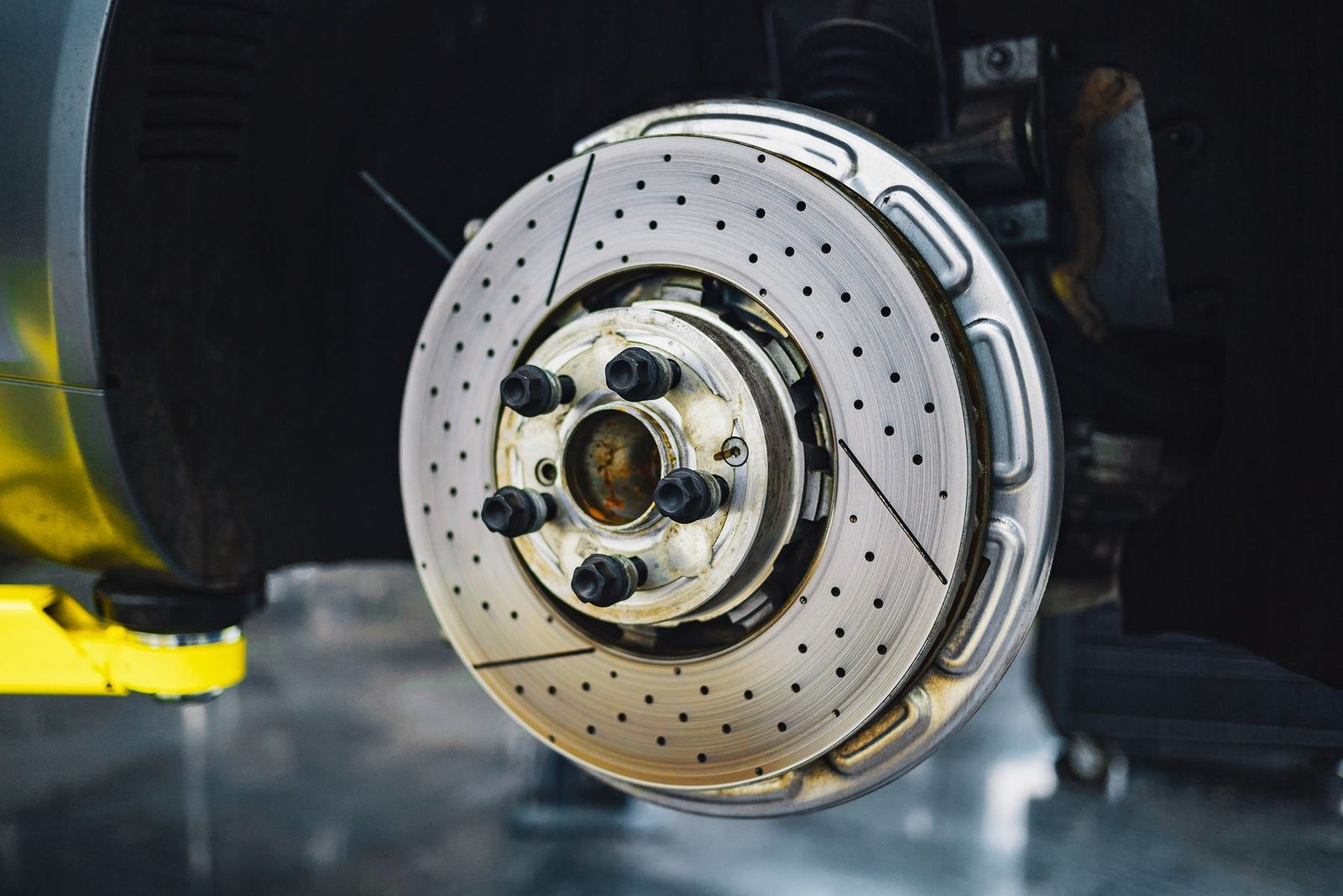
  • Brake drums and discs, hubs, housings and brackets

After pouring, the sand is cleaned and used again.

A cast brake disc fitted to a wheel hub A green sand moulding machine pressing sand into flasks

3. No Bake Resin Sand Moulding

Dry sand is mixed with a resin and a catalyst and packed around the pattern. It sets hard at room temperature, with no oven, into a strong and accurate mould.

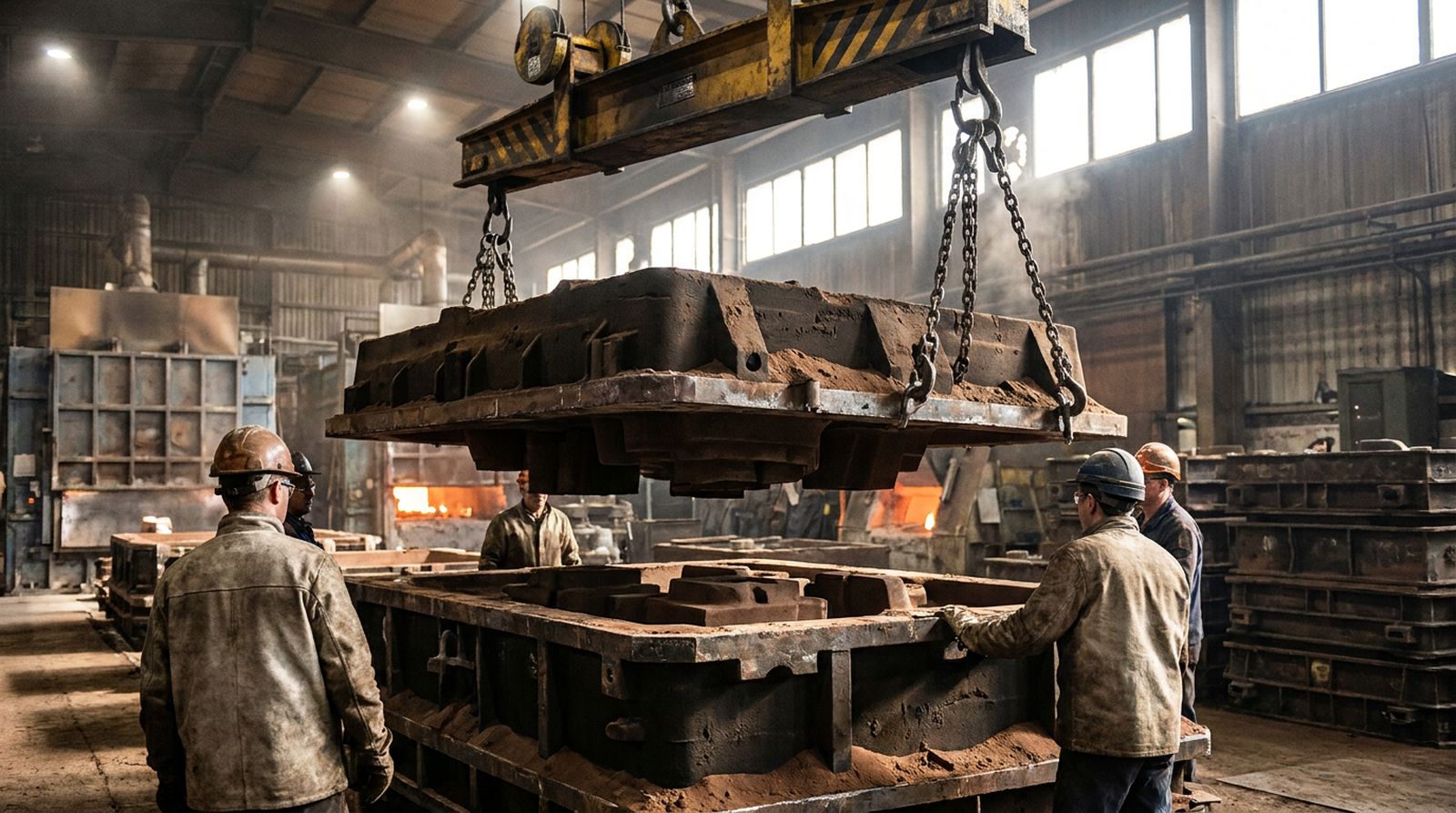
  • Heavy and large castings, and complex iron and steel parts
  • Truer sizes and a cleaner surface than green sand
  • No moulding line needed, so short runs make sense
  • Most of the sand reclaimed and used again
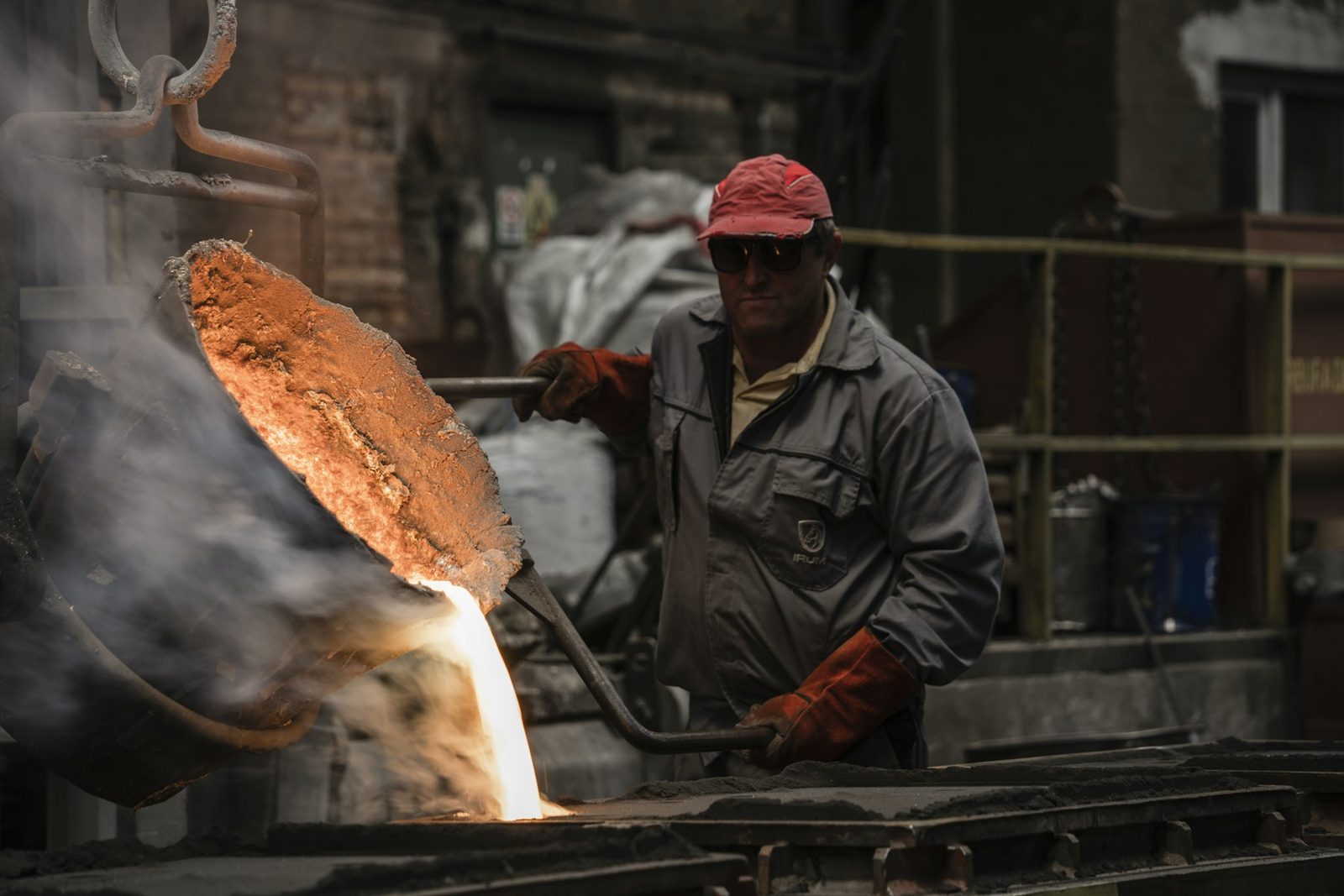
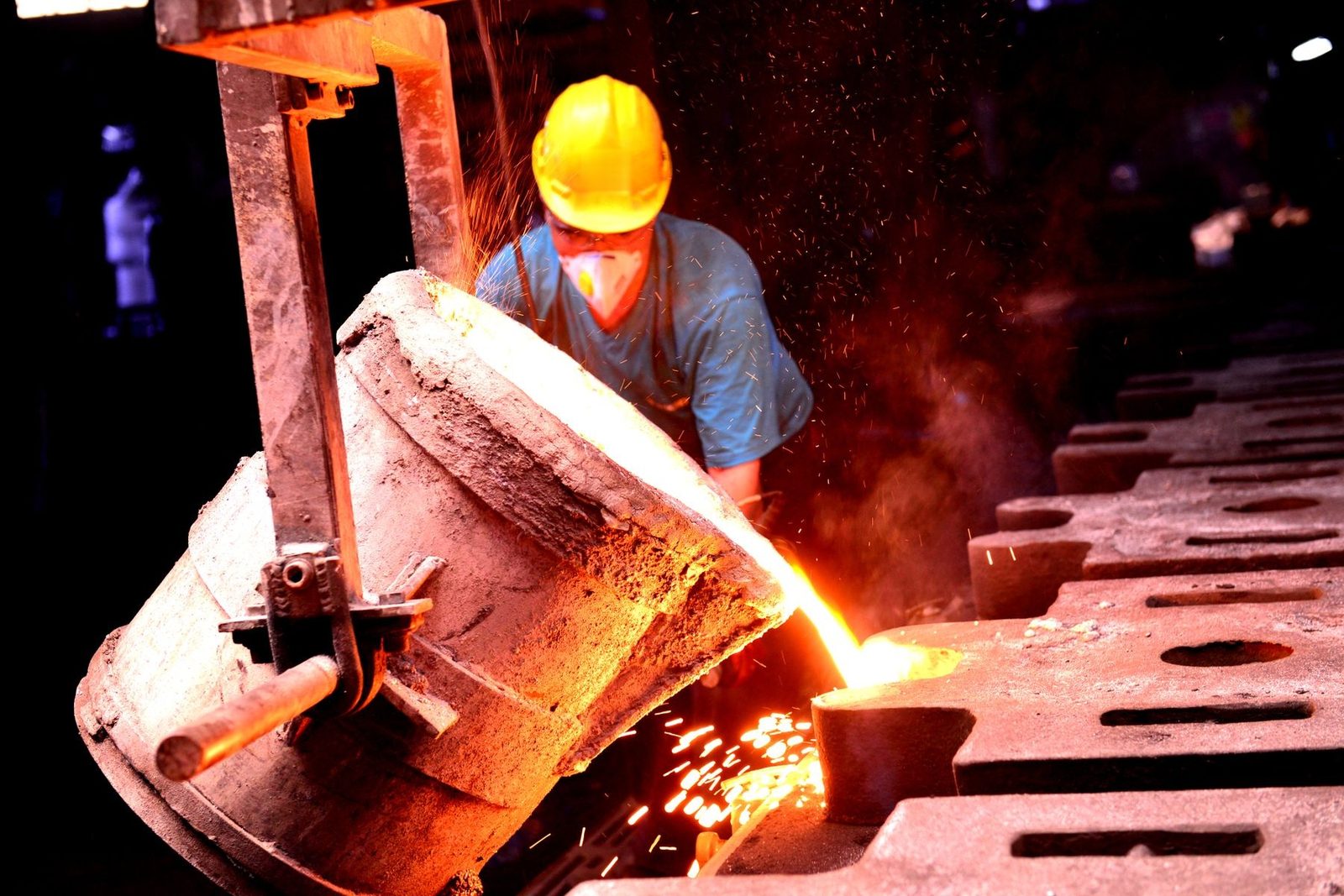
Molten metal poured from a ladle at a foundry A crane closing the two halves of a large resin sand mould

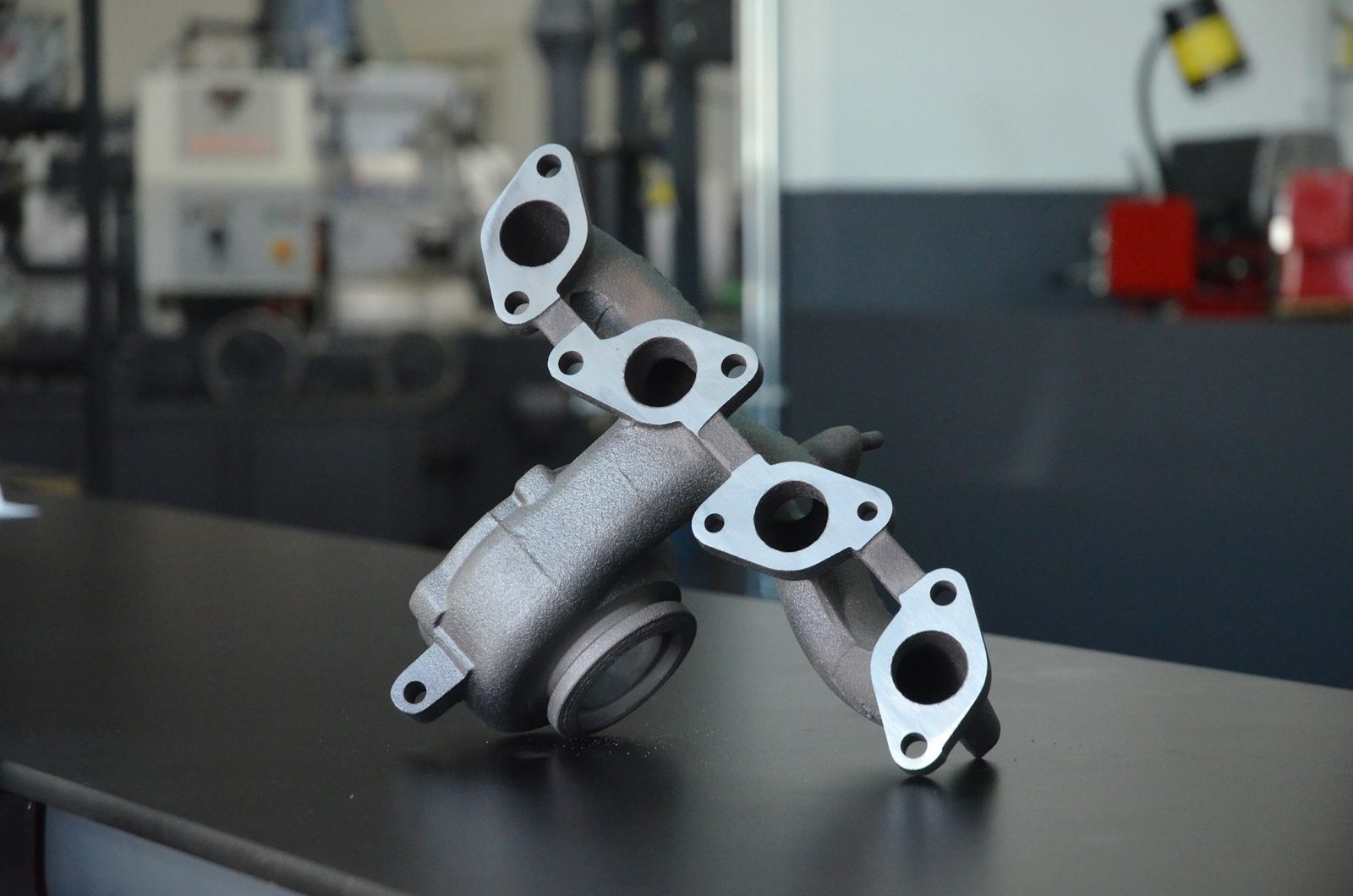
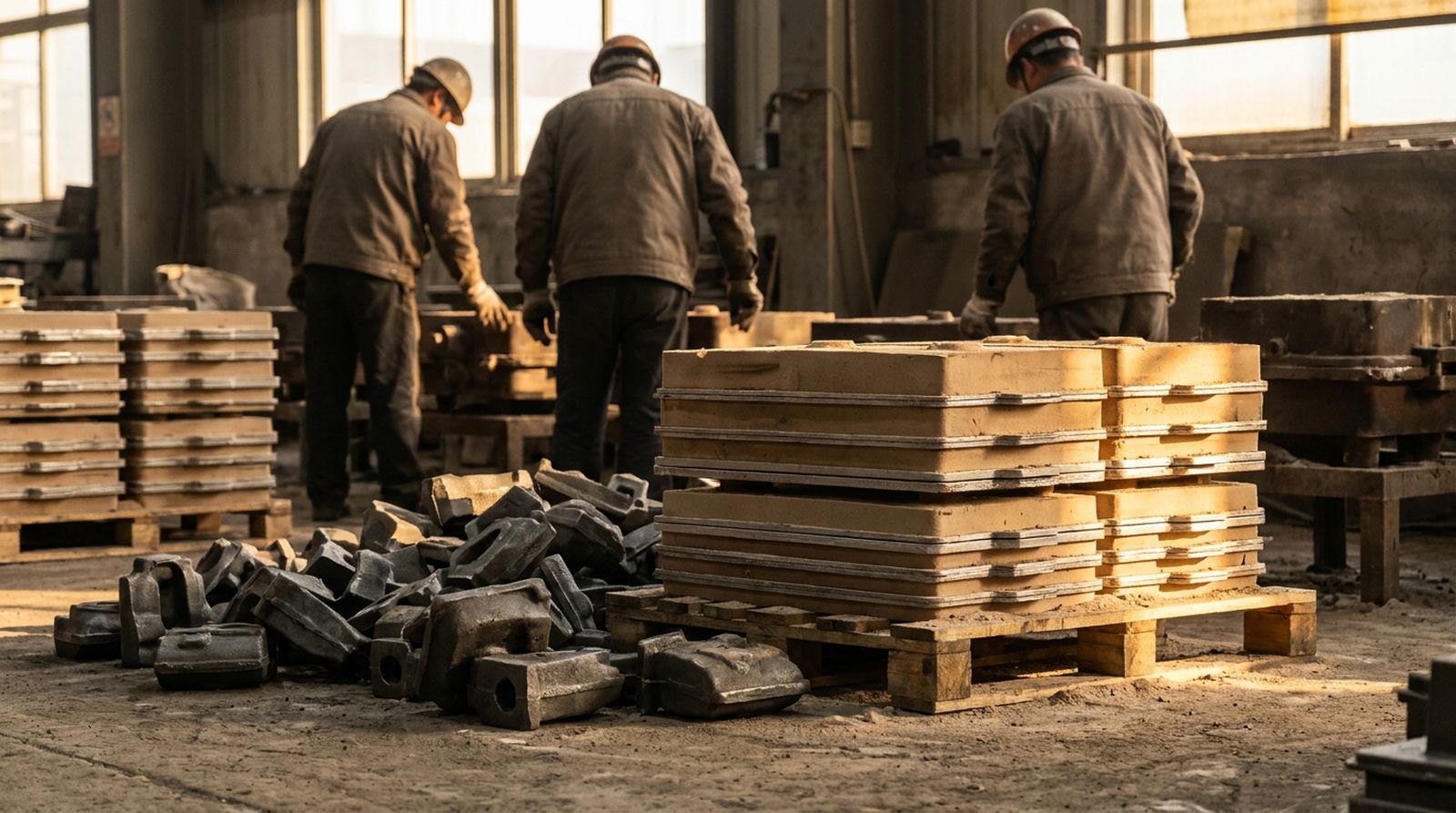
4. Shell Moulding

A heated metal pattern is covered with fine sand coated in resin. The heat cures a thin, hard shell against the pattern.

  • Two shell halves glued or clamped together, then poured
  • A smooth surface and close tolerances
  • Thin walls and fins that green sand cannot hold
  • Small and medium parts in volume, like manifolds and finned cylinders
An exhaust manifold, cast and fettled, before machining Shell moulds stacked beside the castings shaken out of them

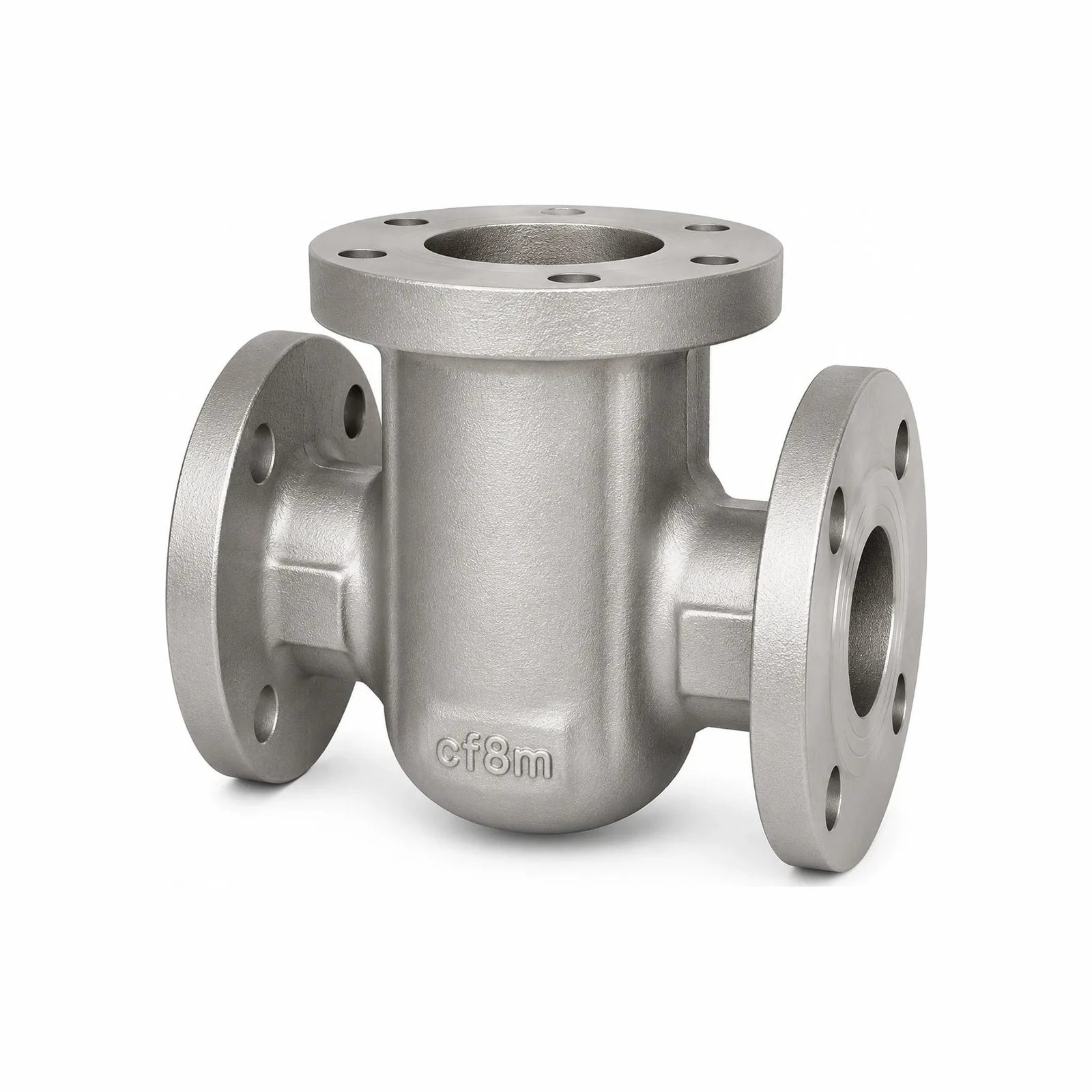
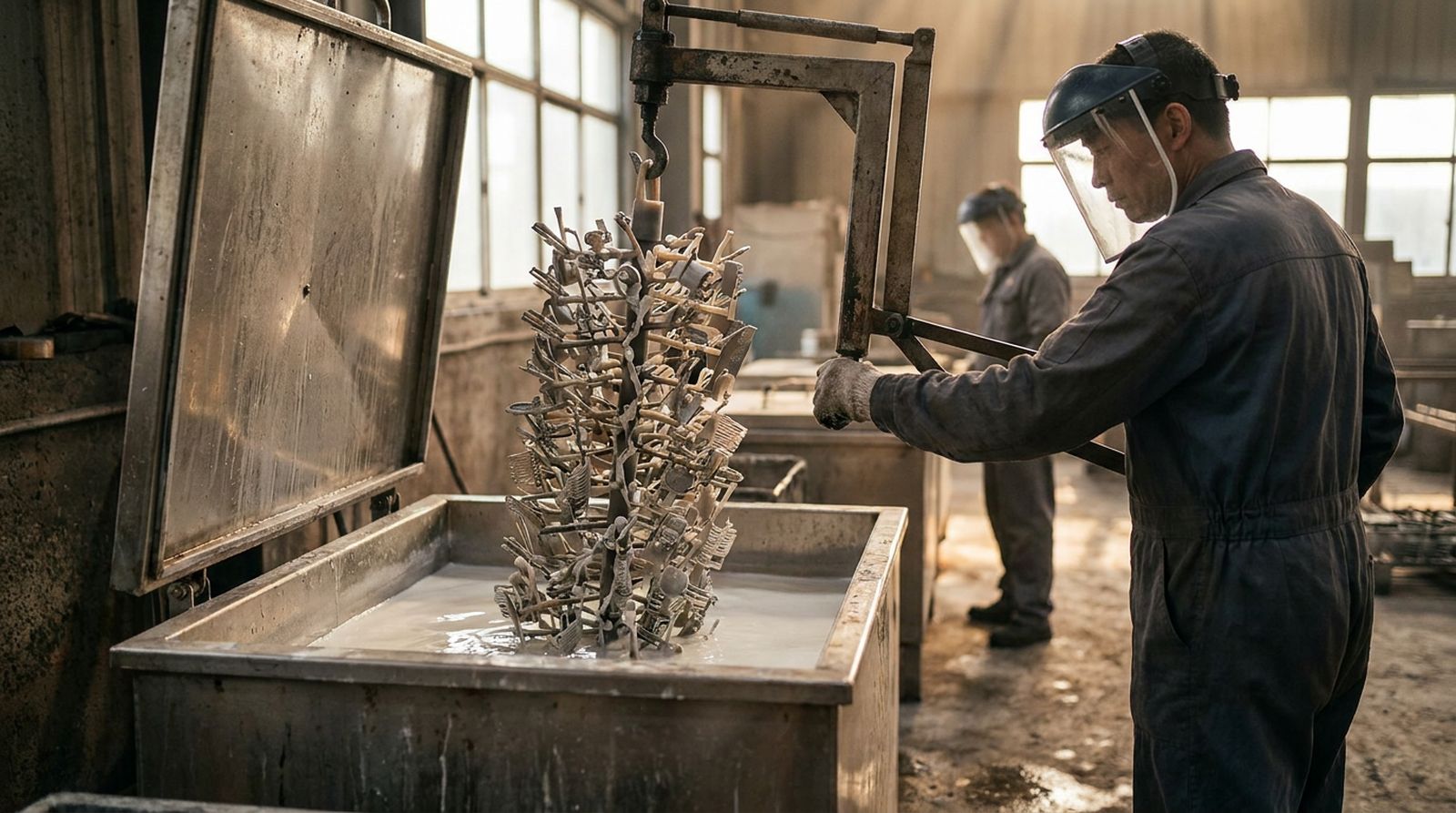
5. Investment Casting

Investment casting starts with a wax copy of the part. The waxes are joined on a tree and dipped again and again in ceramic slurry and sand to build a shell.

  • The wax melted out, and the shell fired
  • Metal poured into the hot shell, which is broken away once it cools
  • Fine detail and a smooth surface, close to the finished shape
  • Steel and stainless parts that need little machining
A stainless steel tee strainer body, as cast A wax tree of small parts dipped into ceramic slurry

6. Centrifugal Casting

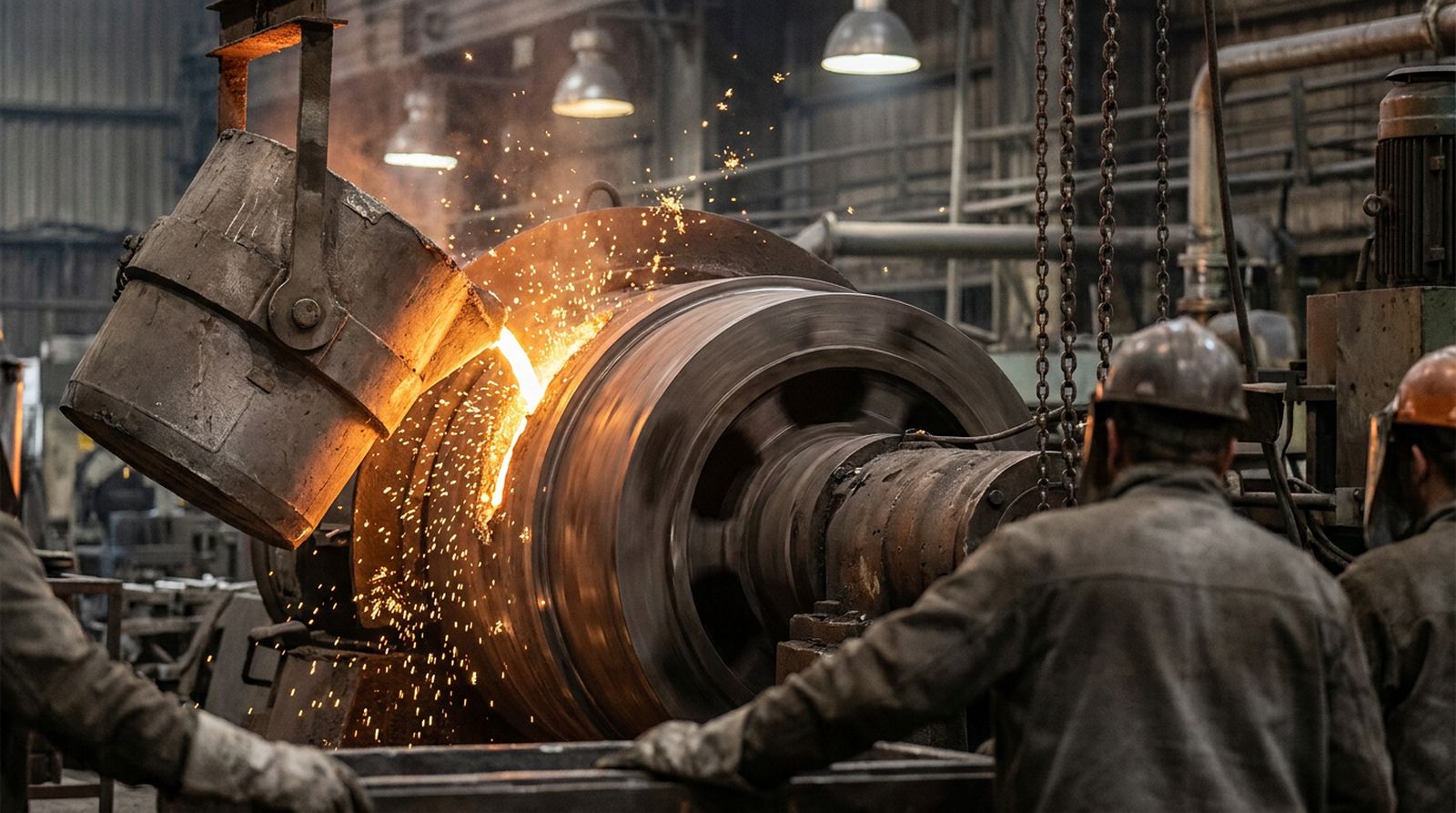
For round parts, the mould spins. Molten metal is poured into a steel mould turning at speed, and the spin throws it against the wall.

  • The metal sets from the outside in, dense and with few flaws
  • Lighter impurities gather at the bore and are machined away
  • No core needed to form the bore
  • Liners, sleeves, bushes and rings
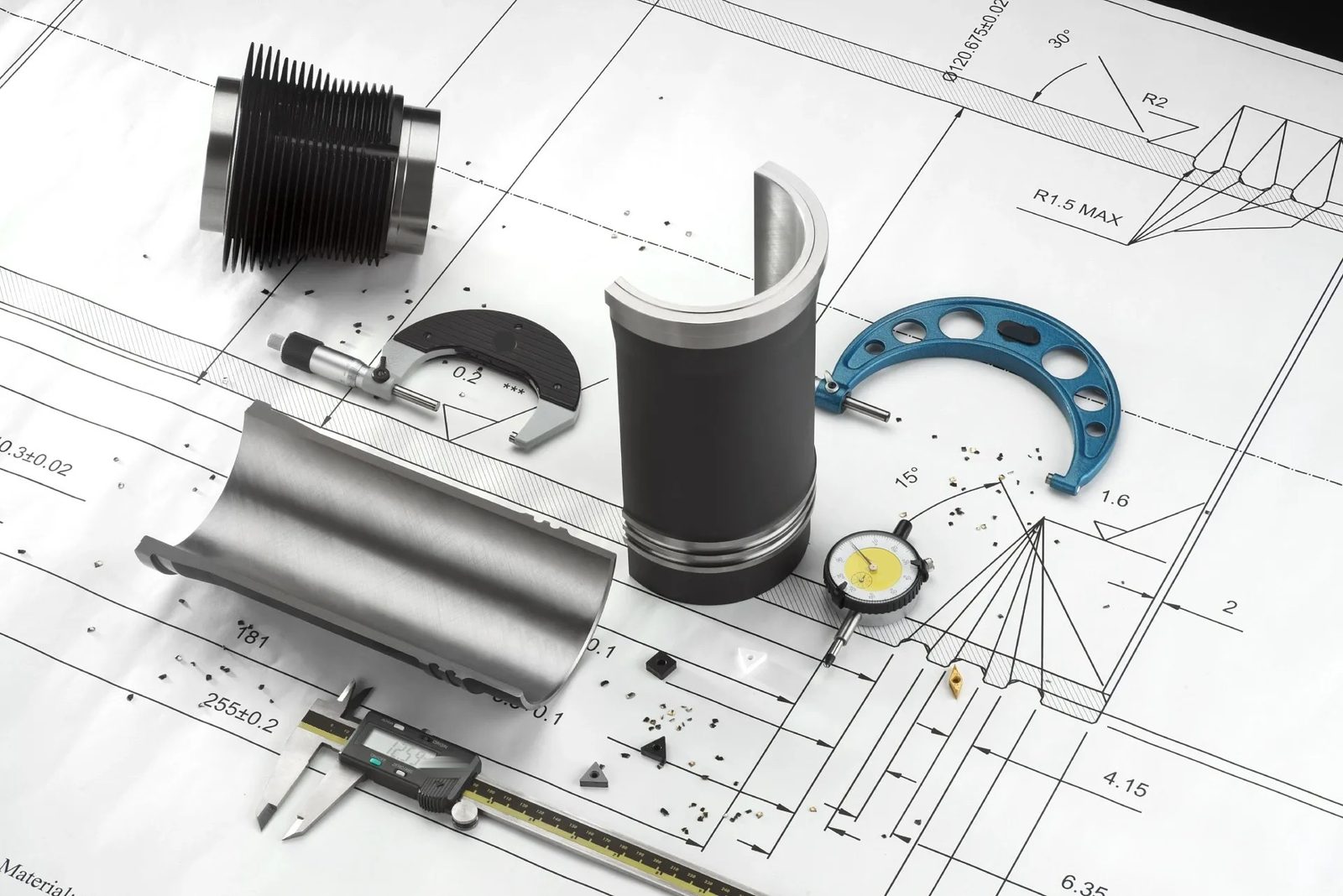
A cylinder liner and measuring gauges laid on its drawing A centrifugal casting machine spinning while molten iron pours in

7. Gravity and Pressure Die Casting

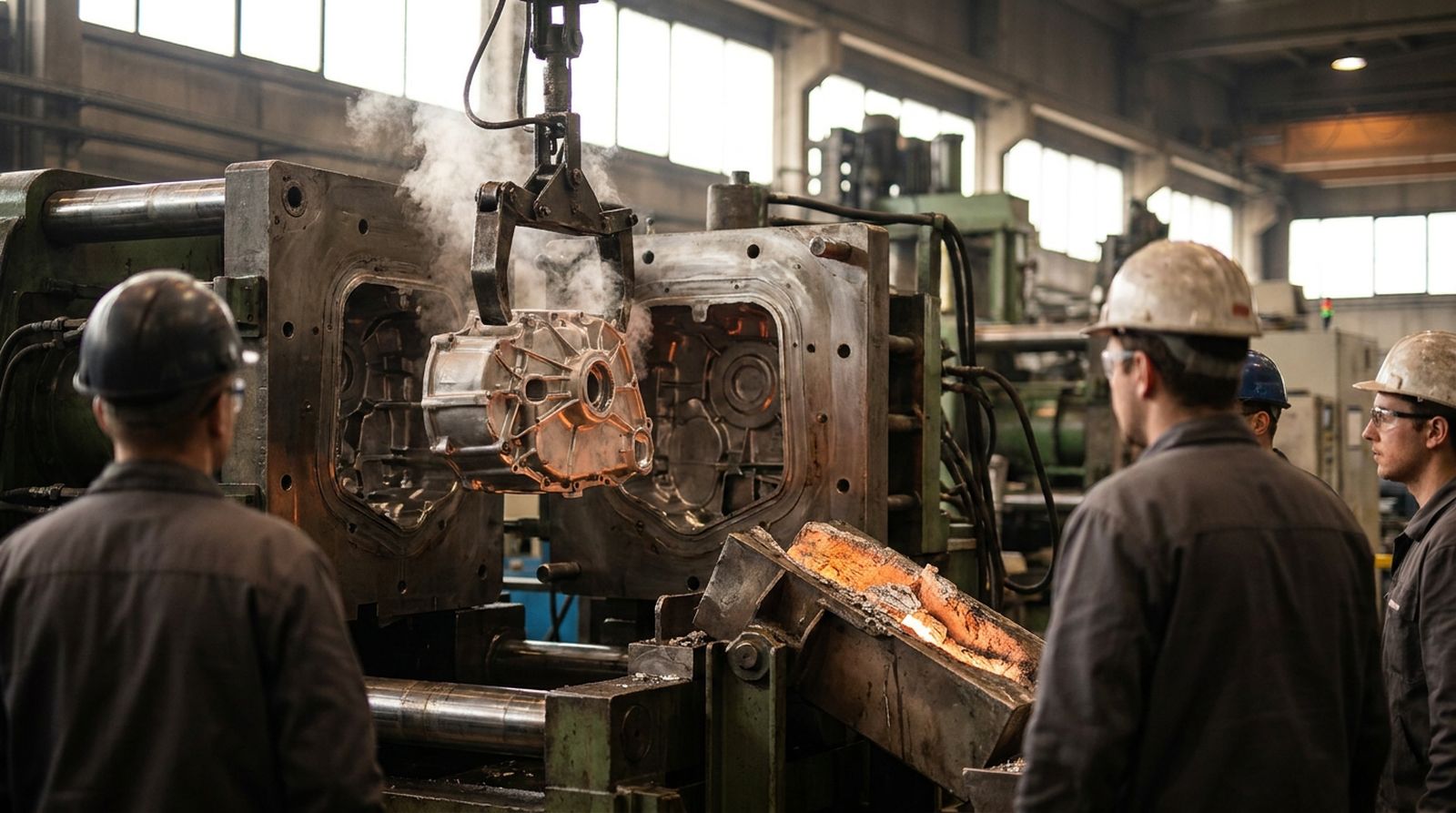
Aluminium parts in volume are cast in steel dies instead of sand. One die makes many thousands of castings.

  • Gravity die casting: the metal fills the die by its own weight
  • Pressure die casting: the metal is forced in at high speed, for thin walls and a fine finish
  • A die costs more than a pattern, so it pays at high quantities
  • Housings, covers and pulleys
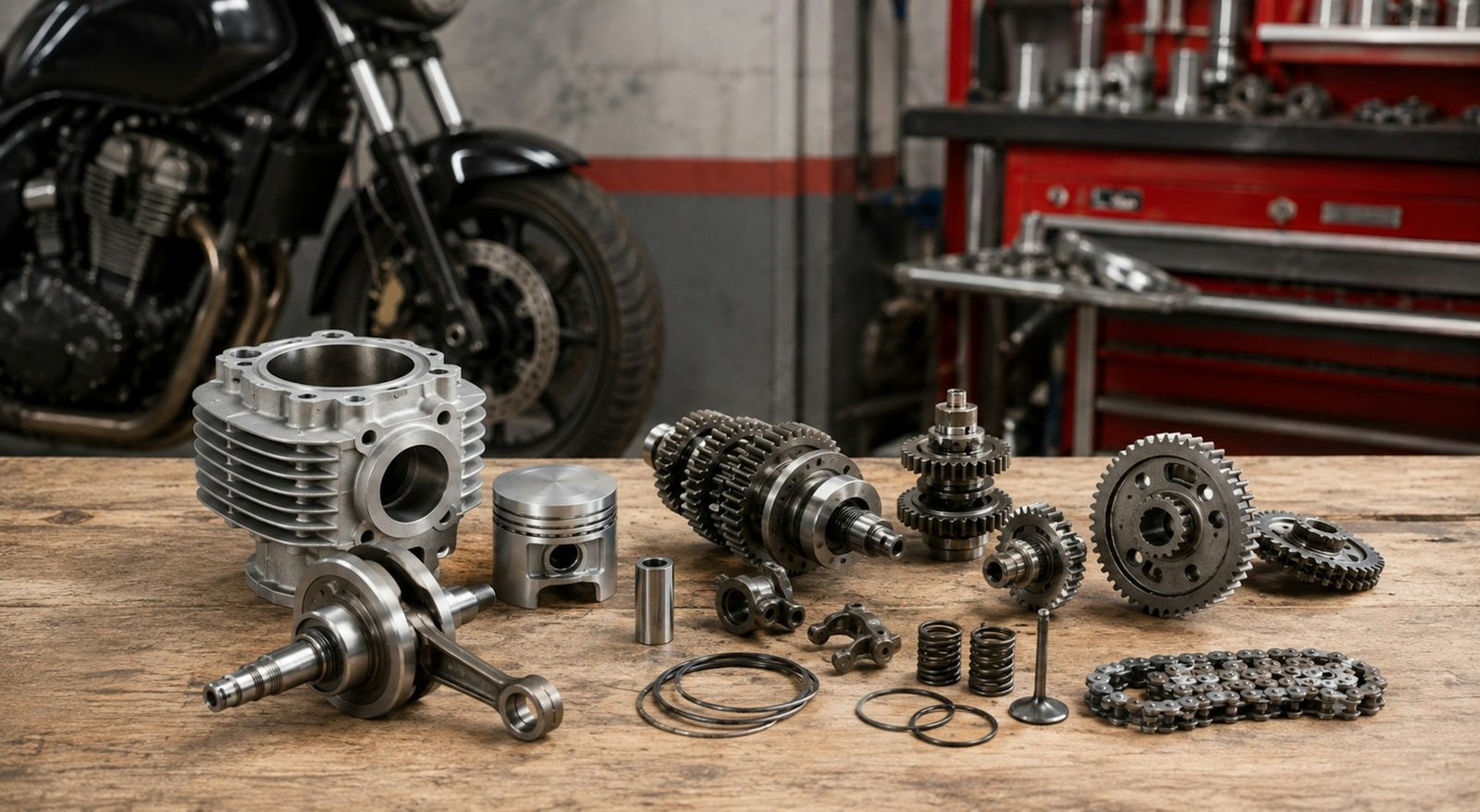
Engine parts, among them a finned cylinder, laid out on a workshop bench An aluminium housing lifted out of an open die casting machine

8. Melting, Chemistry and Pouring

Iron is melted in induction or cupola furnaces, steel in induction or arc furnaces. Before pouring, a sample of every heat goes through a spectrometer.

  • The chemistry corrected until it matches the grade on your drawing
  • Magnesium added to ductile iron to form round graphite nodules
  • The metal poured at the temperature its grade and its walls need
  • Test bars poured from the same heat when your drawing asks for tensile tests
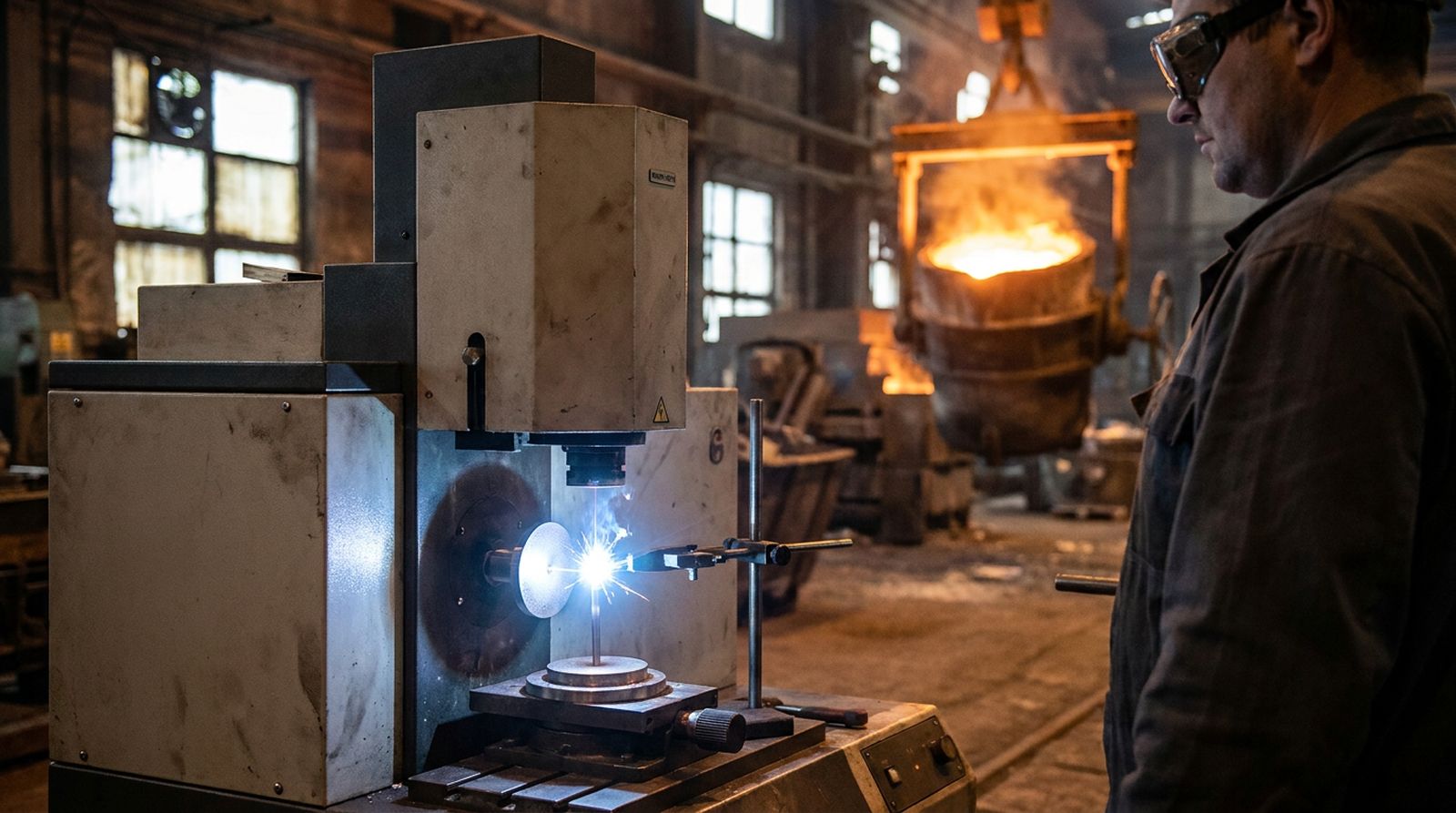
Molten iron poured from a ladle into sand moulds A spectrometer checking a metal sample, a ladle glowing behind it

9. Fettling, Shot Blasting and Heat Treatment

Once the casting has cooled, the sand is knocked out and the gates and risers are cut off.

  • Fettling grinds away the stubs and any flash
  • Shot blasting cleans the surface down to bare metal
  • Heat treatment where the grade needs it: annealing, normalising, or hardening and tempering
  • Hardness checked after heat treatment, on every batch
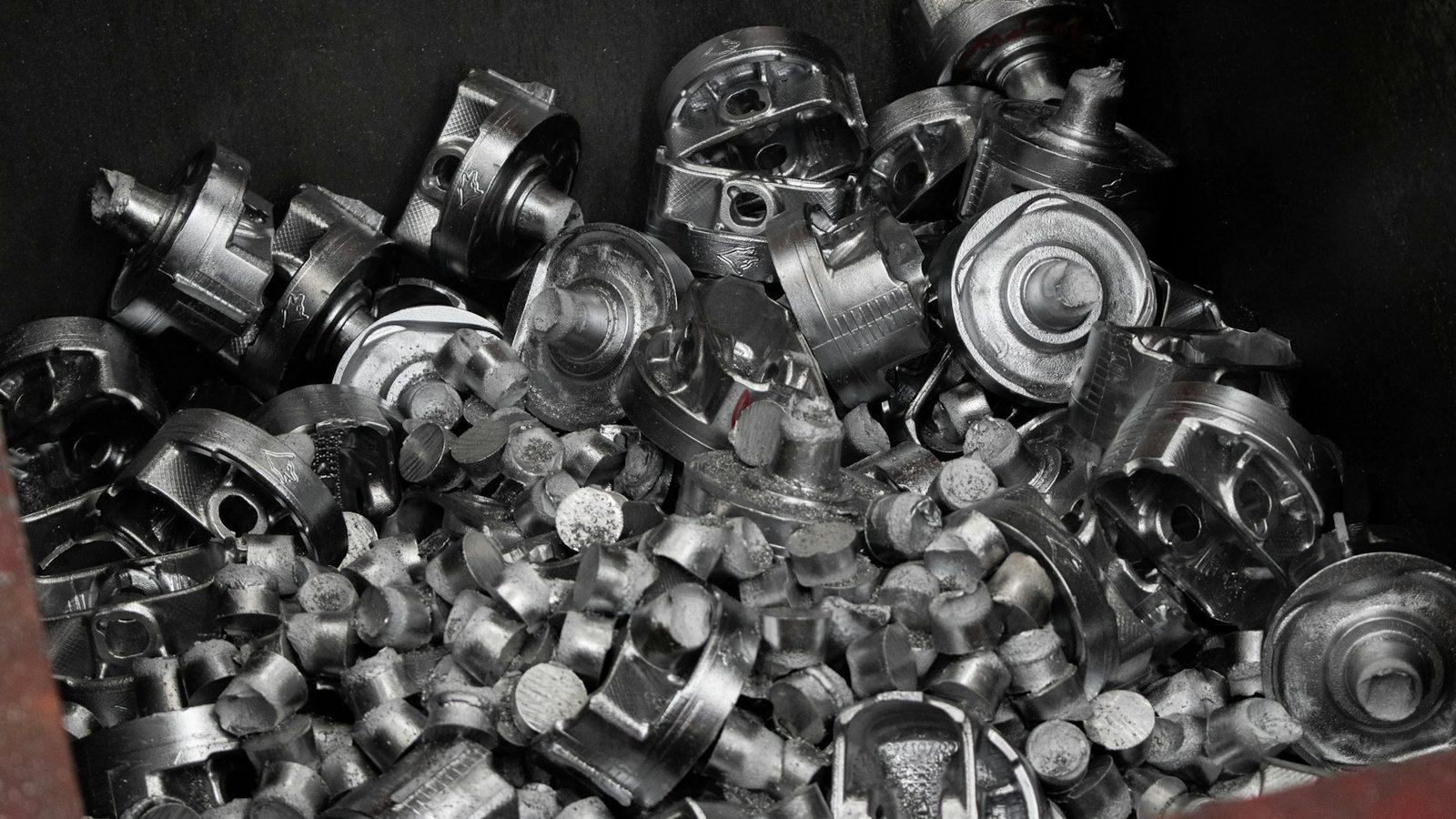
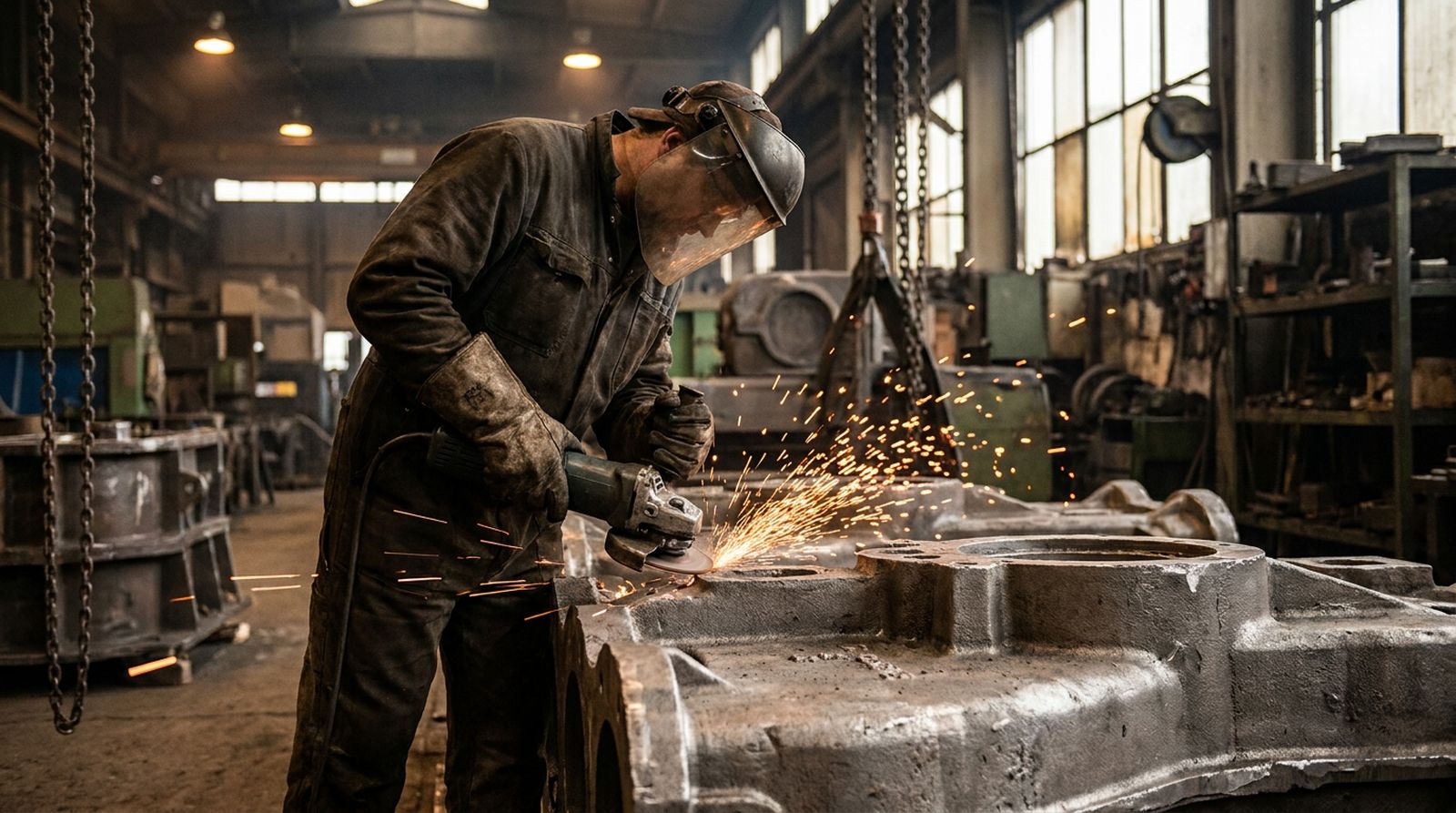
A bin of cast and machined metal parts A worker grinding the riser off an iron casting

10. Machining, Inspection and Packing

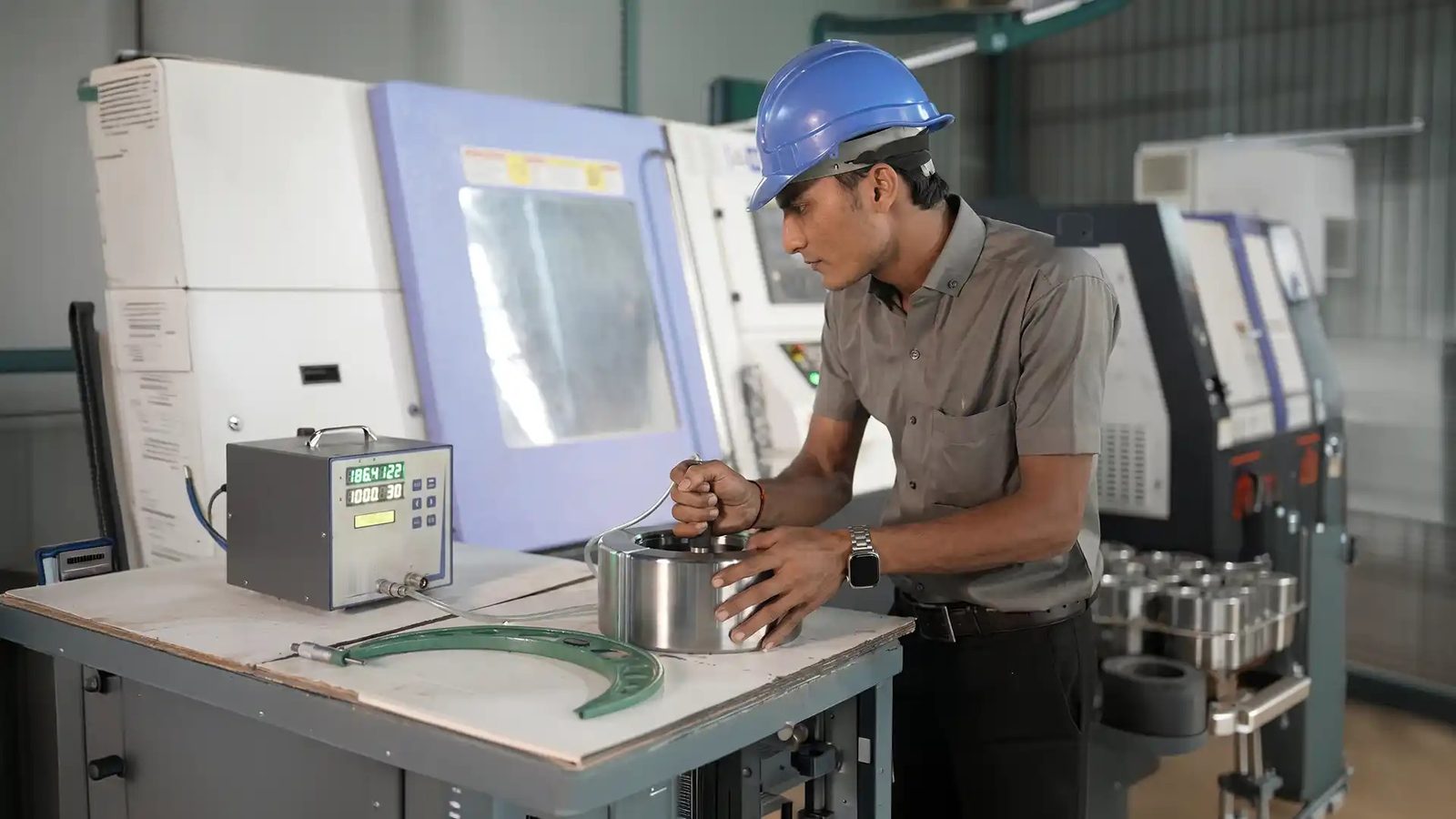
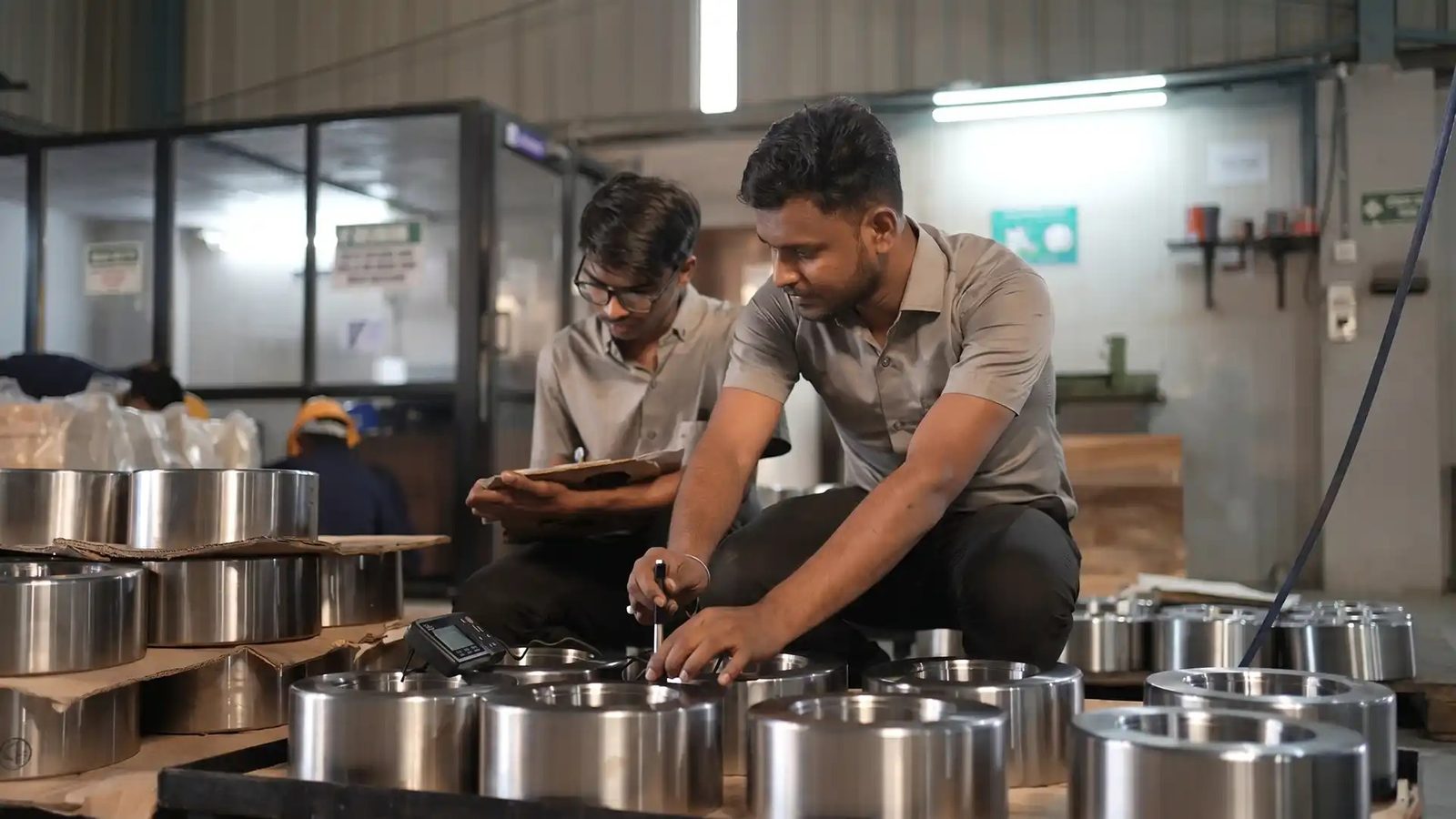
Castings supplied machined go to CNC lathes and machining centres, and the machined faces are held to the sizes on your drawing.

  • Every size measured on the first pieces, then samples from each batch
  • Every piece checked by eye for cracks, porosity and cold shuts
  • Primer, paint or oil against rust
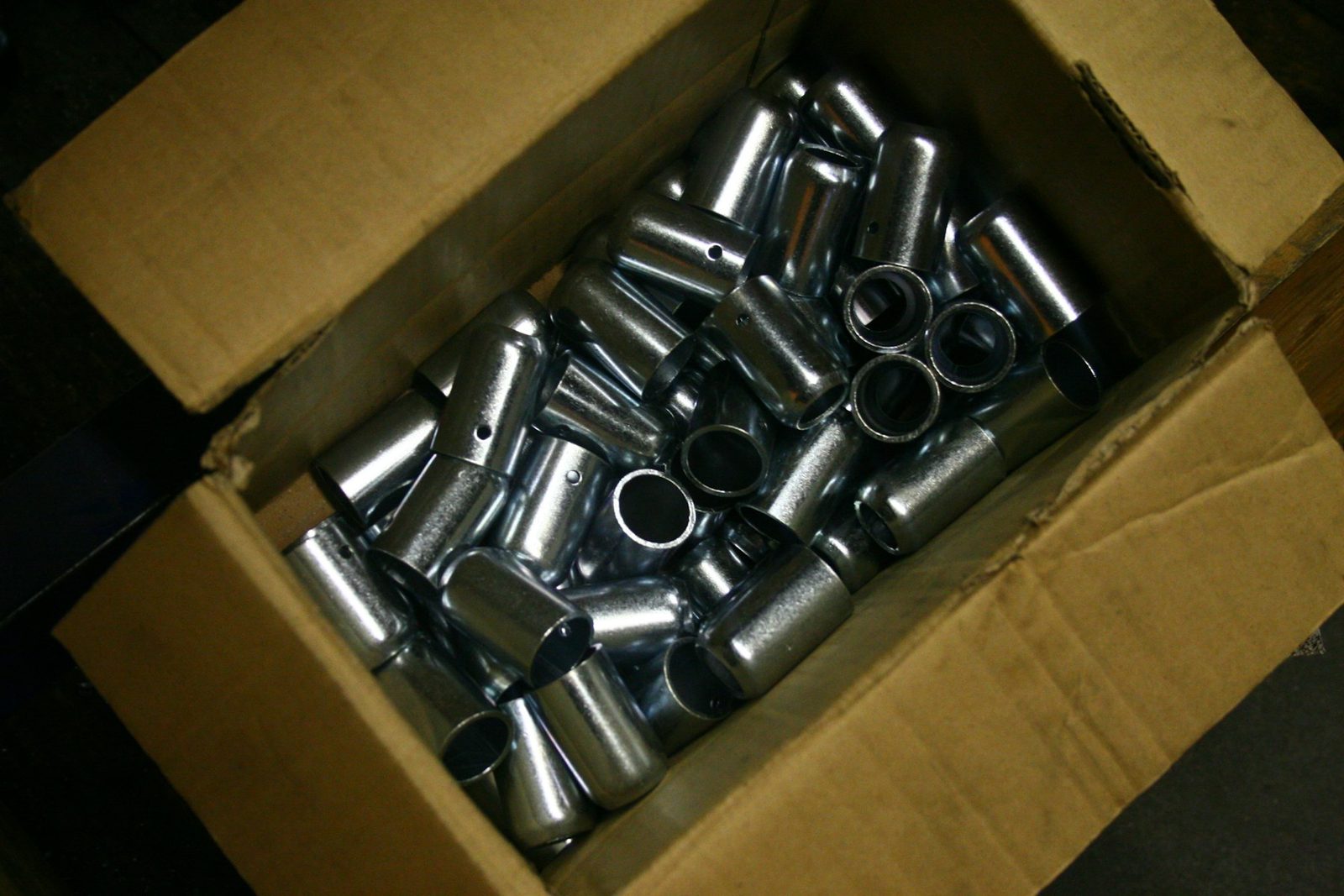
  • Packed by part number for the voyage

The tests your drawing names, and the reports that come with them, are on the Quality page.

An operator measuring a machined ring beside CNC lathes Two inspectors checking machined rings and noting the results Machined bushes packed in a carton
Reply TimeWe reply by email within one working day.